






What's Happening?
On October 30, 2026, the California Office of Environmental Health Hazard Assessment (OEHHA) issued a Notice of Intent to list Perfluorobutanoic acid (PFBA) and its related salts, Perfluorodecanoic acid (PFDA) and its related salts, and Perfluorohexanoic
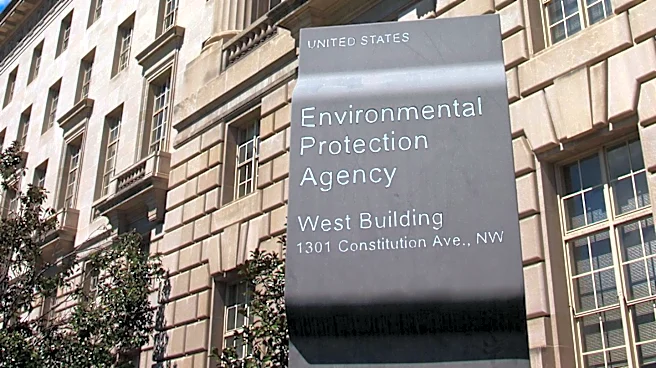
acid (PFHxA) and its related salts as reproductive toxicants under Proposition 65. This action is being pursued through the Authoritative Bodies mechanism, which mandates OEHHA to list a chemical if a designated authoritative body, such as the U.S. Environmental Protection Agency (EPA), formally identifies it as causing cancer, birth defects, or other reproductive harm. If formally listed, these three PFAS compounds will join three other PFAS already regulated under Proposition 65. All the proposed PFAS, along with those previously listed, are included in the 40 PFAS analytes validated by EPA Method 1633, a standard used by commercial laboratories for testing consumer products. OEHHA is accepting public comments on this proposed action until November 30, 2026.
Why It's Important?
This proposed listing is significant for manufacturers, importers, and retailers operating in California, as it expands the scope of chemicals requiring Proposition 65 warnings. Companies that have already implemented robust auditing processes for raw materials, supply chains, and finished goods to comply with existing Proposition 65 requirements and other PFAS regulations may find it easier to adapt. However, the addition of these compounds necessitates a review of product formulations and potential exposure pathways to ensure compliance. The inclusion of these PFAS in EPA Method 1633 means that many companies may already have testing data that can be leveraged, potentially reducing the burden of new testing. The move underscores California's proactive stance on regulating emerging contaminants and protecting public health from substances linked to reproductive harm, setting a precedent that could influence other states or federal regulations.
What's Next?
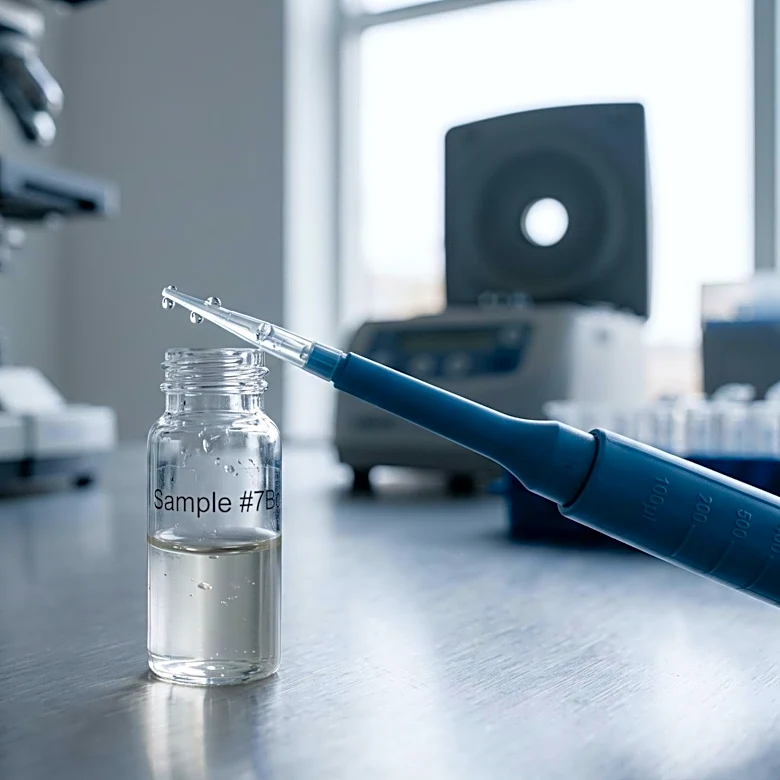
The immediate next step is the public comment period, which concludes on November 30, 2026. OEHHA will review all submitted comments before making a final decision on whether to formally list PFBA, PFDA, and PFHxA as reproductive toxicants under Proposition 65. If listed, businesses will be required to provide clear and reasonable warnings to consumers about potential exposure to these chemicals in their products or premises. Manufacturers will need to assess their products for the presence of these newly listed PFAS and, if found, implement warning labels or reformulate products to avoid the warning requirement. This could lead to increased demand for specialized analytical testing services to accurately detect and quantify these compounds in various matrices, particularly given the challenges of measuring PFAS at low parts-per-trillion levels and the potential for false positives.
Beyond the Headlines
The continuous addition of PFAS compounds to regulatory lists like Proposition 65 highlights a broader societal and scientific challenge in managing persistent environmental contaminants. PFAS, often referred to as 'forever chemicals,' are ubiquitous in consumer products and the environment, posing long-term health risks. This regulatory action reflects an evolving understanding of the health impacts of different PFAS variants and the need for more comprehensive oversight. Beyond immediate compliance, this trend encourages industries to innovate and develop safer alternative chemicals and manufacturing processes. It also raises ethical considerations regarding corporate responsibility in preventing environmental contamination and ensuring consumer safety, pushing companies towards greater transparency and proactive risk management rather than reactive compliance.