
What's Happening?
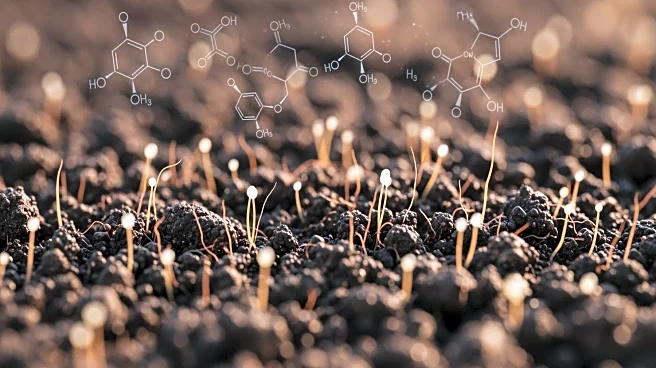
A recent study published in Nature Communications highlights the detrimental effects of pesticides on soil microbiome health, particularly on plant-beneficial bacteria (PBB). Researchers from Shaoxing
University and Zhejiang University of Technology analyzed nearly 2,000 soil samples, finding that pesticide exposure reduces PBB diversity and functional gene diversity, crucial for nutrient cycling and plant growth. The study emphasizes the need for a transition to organic agricultural practices to mitigate these negative impacts. Pesticides not only decrease PBB diversity but also interact with other anthropogenic factors, exacerbating soil health decline.
Why It's Important?
The findings underscore the critical role of soil microbiome health in sustainable agriculture and environmental stability. Pesticides' impact on PBB diversity threatens soil fertility, plant nutrient availability, and ecosystem services like carbon sequestration. This has broader implications for food security and climate change, as healthy soil is essential for crop productivity and carbon storage. The study advocates for organic farming practices, which support a balanced soil ecosystem, reducing reliance on chemical inputs and promoting long-term agricultural sustainability.
What's Next?
The study calls for a systemic shift towards organic agriculture to protect soil microbiome health. Policymakers and agricultural stakeholders may need to consider regulations limiting pesticide use and promoting organic practices. Further research could explore the long-term benefits of organic farming on soil health and its potential to enhance resilience against climate change. Educational initiatives may also be necessary to raise awareness among farmers and consumers about the benefits of organic agriculture for environmental and human health.
Beyond the Headlines
The research highlights the interconnectedness of agricultural practices, environmental health, and climate change. It suggests a need for a paradigm shift in how agriculture is practiced, moving away from chemical-intensive methods towards more sustainable, organic approaches. This transition could have significant cultural and economic implications, influencing consumer behavior, agricultural policies, and global food systems. The study also raises ethical considerations about the responsibility of agricultural industries to protect environmental health and ensure sustainable food production.