








What's Happening?
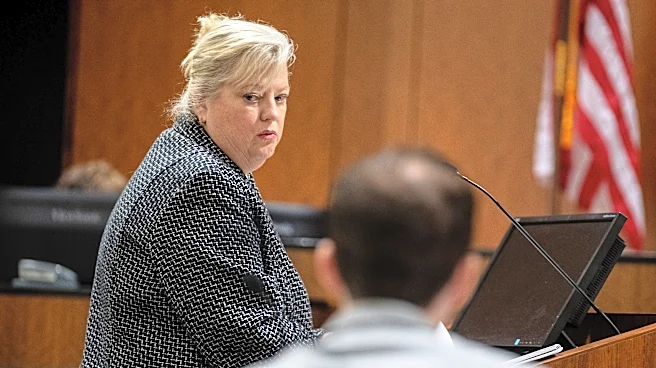
Erika Kirk, widow of far-right activist Charlie Kirk, has requested a Utah judge to allow the public display of all courtroom exhibits related to her husband's killing. This request was made during a preliminary hearing to determine if there is enough
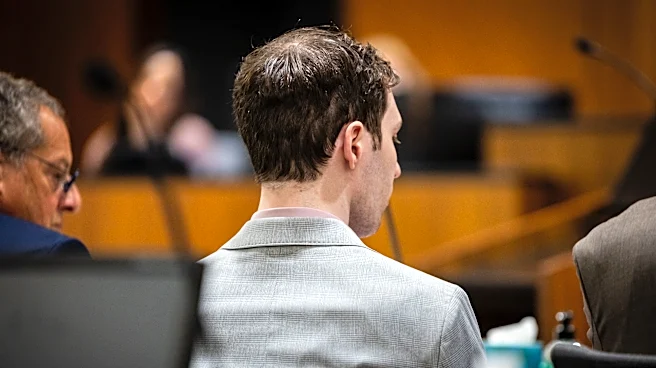
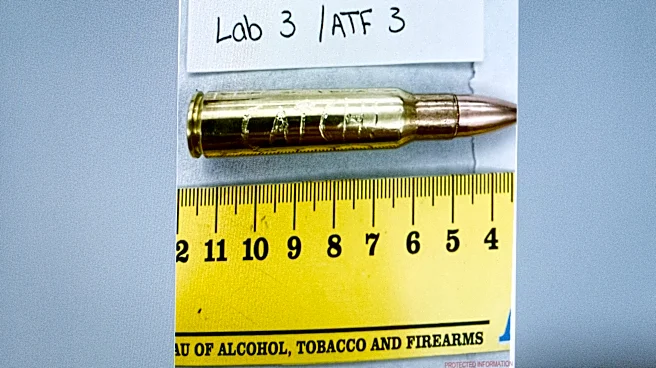
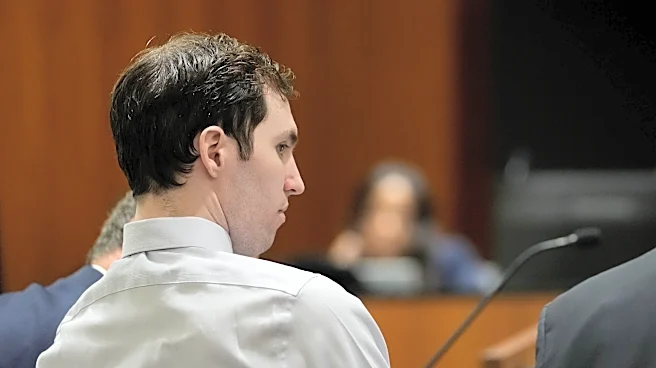
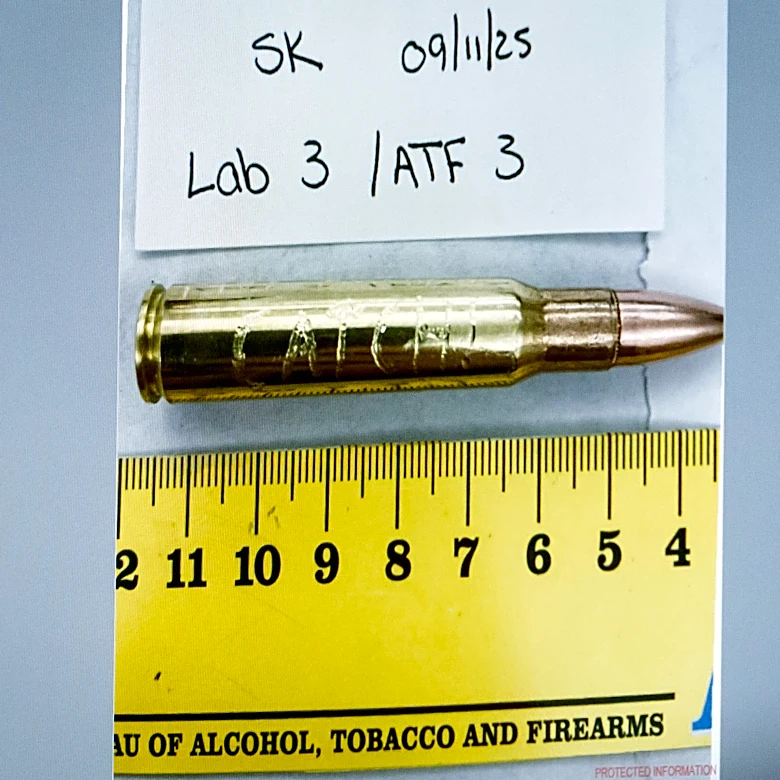
evidence to proceed with the trial of Tyler Robinson, accused of the shooting at Utah Valley University last September. The hearing has included evidence such as video footage and discussions about DNA testing and the chain of custody of forensic evidence. Erika Kirk's motion aims to prevent conspiracy theories from arising due to withheld information. The defense has raised concerns about potential jury bias from altered video evidence and the publication of interviews with Robinson's roommate, Lance Twiggs, which could be perceived as a confession.
Why It's Important?
The case highlights the tension between transparency in legal proceedings and the rights of the accused to a fair trial. Erika Kirk's request underscores the public's interest in transparency to prevent misinformation and conspiracy theories. However, the defense's concerns about prejudicial information affecting jury impartiality reflect the delicate balance courts must maintain. The outcome of this case could influence how future high-profile cases handle evidence disclosure and media coverage, impacting public trust in the judicial system.
What's Next?
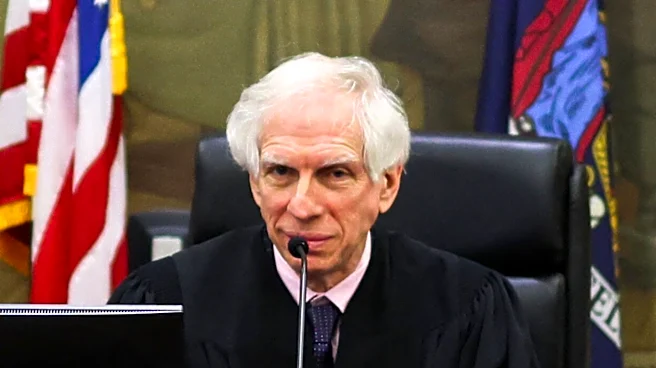
The judge will decide whether to grant Erika Kirk's request for open courtroom exhibits. This decision could set a precedent for how evidence is handled in similar cases. The trial's progression will be closely watched by both legal experts and the public, as it may affect future legal strategies and public perceptions of justice. Stakeholders, including legal professionals and civil rights advocates, may weigh in on the implications of the court's decision.