






What's Happening?
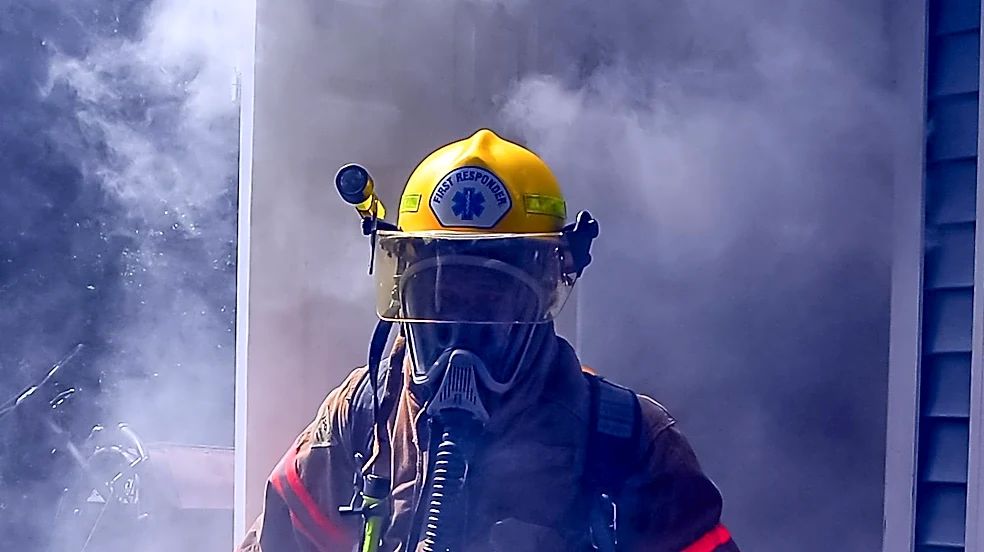
First responders from various agencies in Huntington, West Virginia, participated in a full-scale mass casualty training exercise at Christ Temple Church. The simulation, organized by the Cabell and Wayne County Local Emergency Planning Committee, focused
on an active shooter scenario combined with a hazardous materials incident. This comprehensive drill aimed to test and enhance the community-wide emergency response, as well as improve communication and coordination among local, regional, and federal agencies. Huntington Police Department Chief Phil Watkins emphasized the importance of such exercises in planning for worst-case scenarios and identifying any gaps in response protocols. Approximately 18 organizations, including law enforcement, fire departments, EMS, and emergency management, were involved in the training.
Why It's Important?
This mass casualty training exercise is crucial for enhancing the preparedness and resilience of Huntington, West Virginia, and its surrounding communities. By simulating complex and high-stress situations like active shooters and hazardous materials incidents, first responders can identify weaknesses in their current protocols and improve inter-agency communication and coordination. Effective preparation for such events can significantly reduce casualties and mitigate the overall impact on public safety. The involvement of multiple agencies, from local police and fire to federal entities, ensures a unified and comprehensive approach to emergency management, which is vital in large-scale crises. This proactive approach safeguards residents and strengthens the community's ability to respond to unforeseen disasters, potentially saving lives and minimizing damage.
What's Next?
Following the mass casualty training exercise, participating agencies will likely conduct a thorough debriefing to evaluate their performance, identify areas for improvement, and refine their emergency response plans. The insights gained from this simulation will inform updates to training programs and operational procedures for all involved organizations, including law enforcement, fire, EMS, and emergency management. Future exercises may be scheduled to test these revised protocols and ensure continuous improvement in emergency preparedness. The ongoing collaboration between local, regional, and federal agencies is expected to continue, fostering a more integrated and effective emergency response system for Huntington and the broader West Virginia region.
Beyond the Headlines
Beyond the immediate goal of improving emergency response, these types of mass casualty training exercises have broader societal implications. They contribute to a sense of public safety and confidence in local authorities' ability to protect citizens during crises. Such drills also highlight the critical need for sustained funding and resources for first responder agencies, as effective preparedness requires continuous training, up-to-date equipment, and robust communication systems. Furthermore, these exercises can foster community engagement by raising awareness about emergency preparedness and encouraging residents to develop personal and family emergency plans. The ethical dimension of preparing for worst-case scenarios involves balancing the need for realistic training with the potential psychological impact on participants and the community, ensuring that drills are conducted responsibly and with appropriate support mechanisms.