







What's Happening?
Scientific analysis confirms that pure 24 karat gold does not rust or corrode under normal conditions, distinguishing it from other metals. Rust is specifically defined as iron oxide, a reddish-brown compound formed when iron reacts with oxygen and moisture.
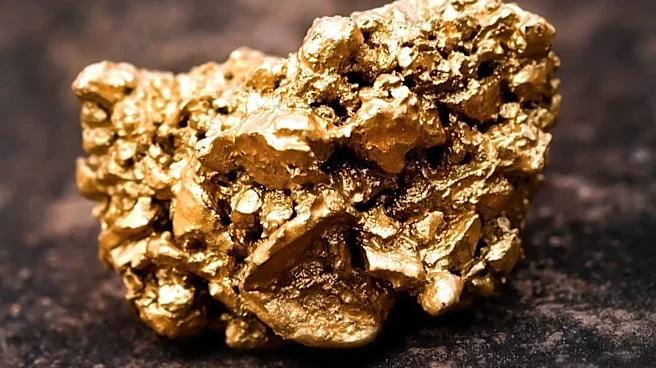
Gold, classified as a "noble metal," is inherently resistant to such reactions due to its chemical properties. Its outer electrons are held tightly, preventing it from easily bonding with oxygen, sulfur, or moisture found in air or water. This non-reactivity explains why gold artifacts recovered from ancient shipwrecks often appear in near- pristine condition. While pure gold remains unaffected, lower karat gold, which is alloyed with other metals like copper, silver, or nickel to enhance hardness or alter color, can exhibit tarnishing or color changes. These changes are attributed to the reactions of the alloying metals with environmental factors such as chlorine from pools, mercury from cosmetics, or sulfur compounds in the air. Even high-purity gold (999 or 9999 fineness) can sometimes develop red spots, which are caused by trace amounts of copper migrating to the surface and oxidizing, a cosmetic issue that does not impact the gold's purity or intrinsic value.
Why It's Important?
Understanding gold's inherent permanence is crucial for both consumers and investors in the U.S. market. For consumers, this scientific clarity provides assurance regarding the longevity and maintenance of gold jewelry. It clarifies that any tarnishing or discoloration on gold items is due to the alloyed metals, not the gold itself, guiding proper care and cleaning. For investors, gold's resistance to degradation reinforces its status as a stable store of value, particularly in the context of bullion. The ability of gold to be melted down and reused indefinitely without loss of purity underscores its enduring economic utility and recyclability, contributing to its long-term appeal as an investment asset. This characteristic differentiates gold from other commodities that may degrade over time, making it a reliable component in diversified portfolios. The distinction between pure gold and its alloys also informs purchasing decisions, as higher purity gold (e.g., 24K) offers maximum resistance to environmental reactions, preserving its aesthetic and intrinsic value more effectively than lower karat alternatives.
What's Next?
While the fundamental chemical properties of gold are well-established, ongoing advancements in metallurgy and material science continue to refine our understanding of metal interactions and preservation techniques. For the U.S. jewelry industry, this knowledge can inform consumer education efforts, helping buyers understand the care requirements for different karat gold items and manage expectations regarding tarnishing. In the investment sector, the consistent properties of gold ensure its continued role as a benchmark for value and a hedge against economic instability. Research into new alloys or surface treatments for lower karat gold could potentially mitigate tarnishing issues, enhancing the durability and appeal of more affordable gold products. Furthermore, the scientific principles underpinning gold's permanence contribute to the integrity of the precious metals market, ensuring that gold's value is based on its intrinsic properties rather than susceptibility to environmental degradation. This foundational understanding supports the long-term stability and trustworthiness of gold as a global commodity.
Beyond the Headlines
The unique chemical stability of gold extends beyond its practical applications in jewelry and investment, touching upon its historical and cultural significance. Gold's enduring luster, impervious to the ravages of time and environment, has contributed to its perception as a symbol of wealth, power, and divinity across civilizations. This scientific permanence has allowed gold artifacts to survive millennia, offering invaluable insights into ancient cultures and artistic achievements. In a broader sense, gold's non-reactivity serves as a powerful metaphor for enduring value and resilience, influencing human psychology and economic behavior. The scientific explanation of why gold doesn't rust reinforces its almost mythical status, distinguishing it from more ephemeral materials. This deep-seated appreciation, rooted in its physical properties, continues to shape its role in global finance and personal adornment, making it more than just a commodity but a cultural touchstone.