









What's Happening?
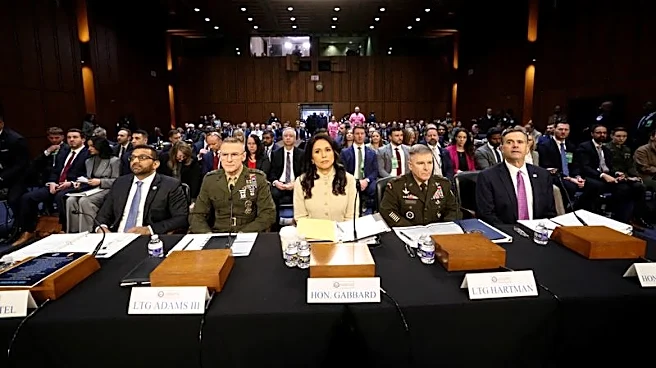
The House Armed Services Committee has moved to preserve a Space Force missile-warning satellite program that the Pentagon plans to cancel. The committee authorized $415 million for the Next-Generation Overhead Persistent Infrared Polar program during
the markup of the fiscal 2027 defense policy bill. This program, developed by Northrop Grumman since 2018, is designed to provide missile-warning coverage over the Northern Hemisphere, particularly the polar regions. The Pentagon's fiscal 2027 budget proposes terminating the program, citing newer architectures in low Earth orbit and medium Earth orbit as sufficient replacements. However, the committee views the program as critical, especially given the capabilities demonstrated by China and Russia to degrade U.S. space assets. Additionally, the committee criticized the Space Force's recent procurement of only two satellites for the Protected Tactical SATCOM-Global program, which was initially intended to be a proliferated network.
Why It's Important?
The decision by the House Armed Services Committee to continue funding the Next-Gen OPIR Polar program highlights the strategic importance of maintaining robust missile-warning capabilities, particularly in polar regions. This move reflects concerns over the growing capabilities of adversaries like China and Russia to target U.S. space assets. The committee's actions also underscore the importance of resilience in military communications, as evidenced by their critique of the Space Force's procurement strategy for the PTS-G program. By advocating for a more distributed satellite architecture, the committee aims to enhance the resilience and effectiveness of U.S. military communications, which is crucial for national security.
What's Next?
The Space Force is expected to provide a report detailing how it plans to implement a resilient tactical satellite communications architecture consistent with the original objectives of the PTS-G program. Lawmakers have requested options for accelerating the procurement of additional satellites to achieve a more distributed architecture sooner. The committee's actions may prompt further discussions and adjustments in the Pentagon's budget and strategy regarding satellite programs, potentially influencing future defense policy decisions.