




What's Happening?
The New Zealand government has endorsed 15 recommendations aimed at streamlining the installation process for small and medium-sized solar systems for residential and commercial customers. These measures include legalizing plug-in solar, approving installations
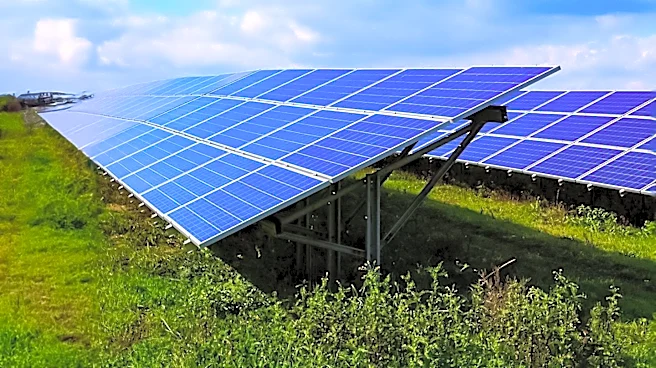
under 10 kW within one working day, and allowing accredited installers to sign off on installations under 100 kW without requiring an inspection. Additionally, the government plans to standardize the connection process for solar installations to electricity distributors, provide consumer-friendly information about electricity meters, and enhance retailer communication and processes. These changes are expected to significantly reduce the time and cost associated with solar panel installation, making New Zealand's solar installation process among the simplest in the developed world. The country's cumulative solar capacity stood at 836 MW at the end of last year, with its largest solar farm, a 150 MW site, becoming operational in July.
Why It's Important?
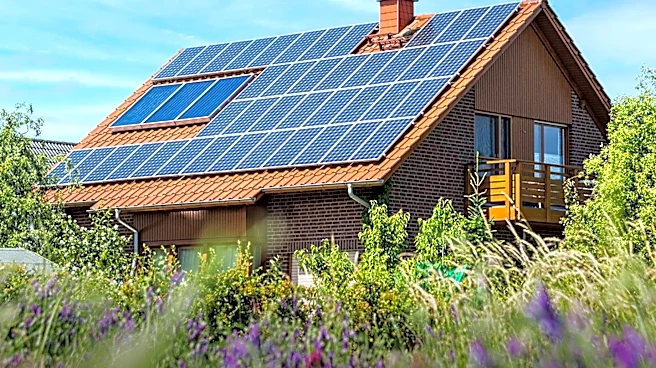
These regulatory changes are significant for New Zealand's energy landscape, aiming to empower consumers with greater control over their power bills and accelerate the adoption of renewable energy. By reducing compliance costs and delays, the government anticipates net benefits of NZD 28 million to NZD 50 million over ten years. The legalization of plug-in solar is particularly impactful for renters, offering them the flexibility to take their solar systems with them when they move, thereby broadening access to solar energy beyond property owners. This initiative aligns with global efforts to transition to cleaner energy sources and could serve as a model for other nations looking to simplify their renewable energy integration. The increased uptake of solar power will contribute to New Zealand's energy independence and reduce its carbon footprint, fostering a more sustainable energy future.
What's Next?
The implementation of these 15 recommendations is expected to drastically cut the average approval time for residential solar installations from three months to six days and reduce costs from approximately NZD 640 to NZD 200. The government anticipates a significant increase in rooftop solar connections due to the reduced hassle and cost. The Ministry for Regulation's analysis suggests these changes will deliver substantial economic benefits through lower compliance costs and reduced delays. Furthermore, the adoption of plug-in solar is poised to be a 'game changer' for renters, enabling wider participation in solar energy generation. These reforms are set to position New Zealand as a leader in accessible solar energy, with ongoing efforts to standardize grid access, as evidenced by the electricity authority's introduction of a 10 kW default export limit for residential solar and battery systems in April.
Beyond the Headlines
The simplification of solar installation regulations in New Zealand highlights a broader global trend towards decentralizing energy production and empowering individual consumers. This move not only addresses practical barriers to renewable energy adoption but also fosters a cultural shift towards greater energy self-sufficiency. The emphasis on consumer-friendly information and standardized processes suggests a commitment to transparency and ease of access, which are crucial for widespread public engagement with new technologies. Ethically, making solar more accessible to renters addresses an equity issue, ensuring that the benefits of renewable energy are not limited to homeowners. This policy could inspire other countries to re-evaluate their regulatory frameworks to better support distributed renewable energy, potentially leading to a more resilient and democratized energy grid worldwide.