






What's Happening?
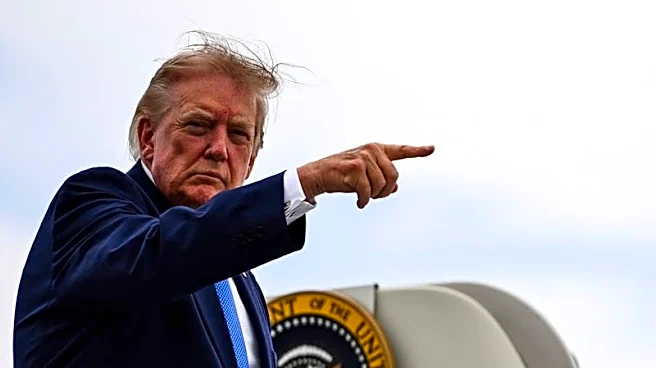
Bob McNally, President of Rapidan Energy Group, has highlighted the challenges President Trump faces in reopening the Strait of Hormuz. The strait, a critical chokepoint for global oil shipments, has been a focal point of geopolitical tensions. McNally notes
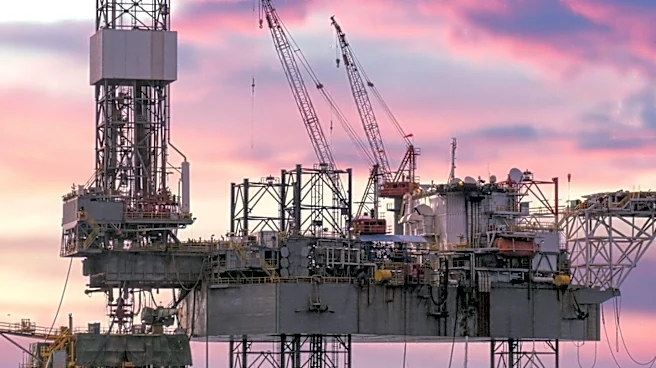
that oil markets are struggling to price the potential for a prolonged disruption in the strait. If the closure extends into the fall, there is a significant risk that crude oil prices could surge to between $175 and $200 per barrel. This situation underscores the complexities of managing international trade routes and the potential economic impacts of geopolitical conflicts.
Why It's Important?
The Strait of Hormuz is a vital artery for the global oil supply, with a significant portion of the world's oil passing through it. Any disruption can have far-reaching consequences for global oil prices and economic stability. A prolonged closure could lead to a dramatic increase in oil prices, affecting industries reliant on oil and potentially leading to higher costs for consumers. This situation also highlights the geopolitical risks associated with energy security and the importance of diplomatic efforts to ensure the free flow of trade. The potential economic impact underscores the need for strategic planning and international cooperation.
What's Next?
If the closure of the Strait of Hormuz continues, it could prompt a range of responses from global stakeholders. Countries dependent on oil imports may seek alternative routes or sources, while oil-producing nations might adjust production levels to stabilize prices. Diplomatic efforts may intensify to resolve the situation and prevent further escalation. Additionally, businesses and governments may need to reassess their energy strategies and contingency plans to mitigate the impact of such disruptions. The situation could also influence future policy decisions regarding energy security and international trade.