
What's Happening?
The Supreme Court is currently considering two significant cases that could redefine the balance of power between presidential authority and the independence of federal agencies. In the case of Learning
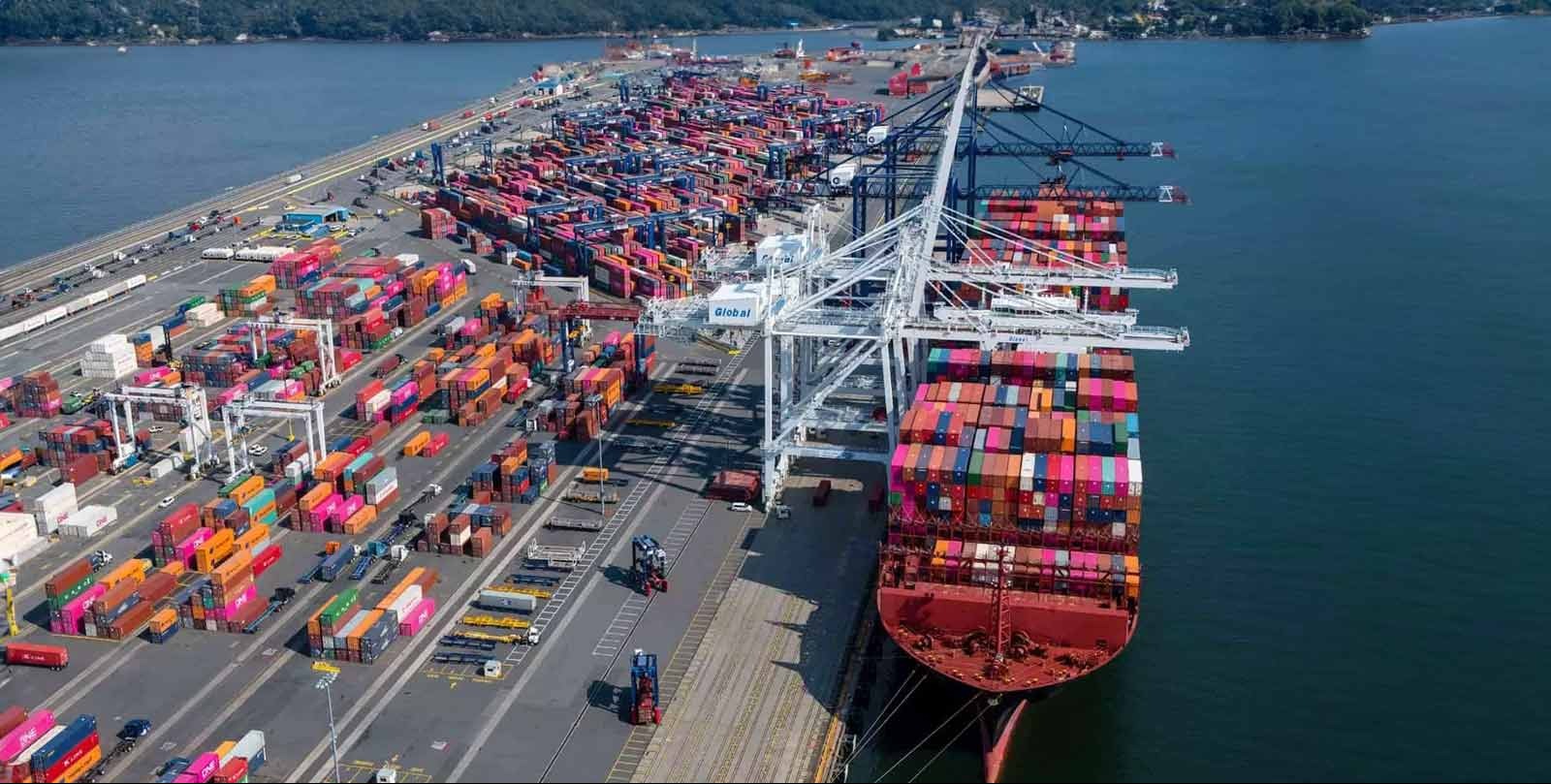
Resources, Inc. v. Trump, the court will determine whether the president can impose broad tariffs under emergency powers. Another case, Trump v. Slaughter, may lead to the overruling of the 1935 precedent set by Humphrey’s Executor, which limits the president's ability to dismiss heads of independent agencies. If this precedent is overturned, agencies such as the Securities and Exchange Commission, Federal Communications Commission, and Commodity Futures Trading Commission could face increased partisan influence and significant policy shifts with each new administration. The outcomes of these cases, expected by late June, are crucial for companies that rely on stable regulatory environments for strategic planning.
Why It's Important?
The potential changes in presidential power and agency independence could have far-reaching implications for U.S. industries and the economy. If the president gains more control over independent agencies, it could lead to increased political influence in regulatory decisions, affecting sectors like finance, telecommunications, and commodities. This could result in more frequent and dramatic policy changes, creating uncertainty for businesses that depend on consistent regulatory frameworks. Companies may need to adapt their strategic planning to account for potential shifts in agency leadership and policy direction, which could impact investment decisions, compliance strategies, and long-term business operations.
What's Next?
As the Supreme Court deliberates these cases, businesses and legal experts are closely monitoring the potential outcomes. Companies may begin to prepare for various scenarios, including increased regulatory volatility and the need for more flexible strategic planning. Legal and business leaders might also advocate for legislative or policy measures to mitigate the impact of any changes in agency independence. Additionally, the decisions could prompt discussions about the broader implications of presidential power and the role of independent agencies in the U.S. government.