



What's Happening?
Recent discussions have highlighted the inherent gender inequality in urban planning, emphasizing how public spaces, although designed for everyone, often fail to accommodate the needs of women. The article discusses how urban environments are typically
planned with a 'neutral' user in mind, who is economically productive and free from caregiving responsibilities. This has led to a design bias that does not account for the diverse needs of all city dwellers, particularly women. Examples include the design of public restrooms, which often result in longer wait times for women, and playgrounds that prioritize activities more commonly associated with boys. The article argues that these design choices reflect a broader pattern of inequality embedded in urban planning, which feminist urbanism seeks to address by advocating for inclusive design that considers the lived experiences of all users.
Why It's Important?
The significance of this issue lies in its impact on everyday life and the perpetuation of gender inequality. Urban planning that fails to consider the needs of all users can reinforce social inequalities and limit the participation of certain groups in public life. For women, this can mean navigating spaces that feel unsafe or inaccessible, which can affect their mobility and quality of life. Addressing these issues through inclusive design can lead to more equitable urban environments that support the needs of diverse populations, including caregivers, the elderly, and those reliant on public transportation. This approach not only promotes gender equality but also enhances the functionality and accessibility of cities for everyone.
What's Next?
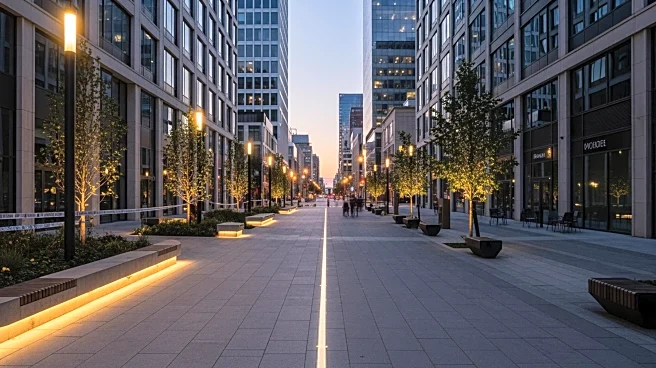
Cities around the world are beginning to adopt gender-sensitive planning practices. For example, Vienna has implemented measures such as widening sidewalks and improving street lighting to accommodate diverse needs. These changes often start with community engagement, where residents share their experiences and concerns with planners and officials. By incorporating everyday knowledge into planning processes, cities can create environments that are more inclusive and equitable. This shift requires a reevaluation of traditional planning assumptions and a commitment to designing spaces that reflect the needs of all inhabitants.
Beyond the Headlines
The movement towards gender-sensitive urban planning also raises broader questions about the role of architecture in addressing social and cultural challenges. It highlights the need for planners and policymakers to consider the diverse experiences of city dwellers and to design spaces that promote inclusivity and participation. This approach can lead to long-term shifts in how cities are designed and experienced, ultimately contributing to more equitable and sustainable urban environments.