



What's Happening?
The Republican Party of Louisiana's leadership is facing backlash following controversial endorsements in the state's 5th and 6th Congressional District races. Initially, the eight-member executive committee voted to back New Iberia state Senator Blake
Miguez in the 6th District. After complaints about the secretive process, a second endorsement was issued for Baton Rouge state Senator Rick Edmonds. Concurrently, the committee endorsed Misti Cordell in the 5th Congressional District. This process has drawn criticism from other Republican candidates, including state House GOP Caucus Chairman Mike Echols and state Representative Gabe Firment, who expressed frustration over the lack of transparency and the timing of the endorsements. Louisiana Governor Jeff Landry has not officially endorsed candidates in these races, but the state party's choices for Edmonds and Cordell may align with his interests, given his personal friendship with Cordell and past disagreements with Miguez.
Why It's Important?
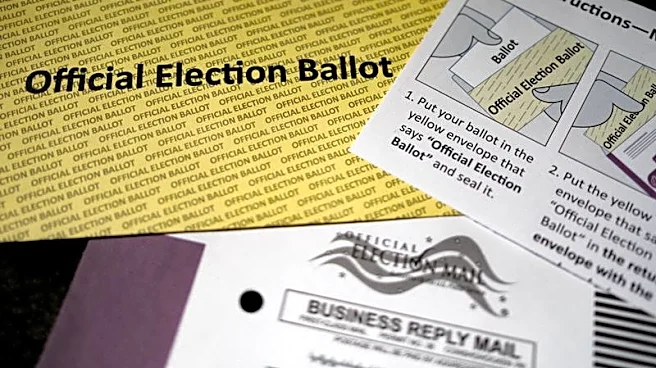
State party endorsements carry significant weight, offering chosen candidates substantial financial advantages and support from groups like the Republican National Committee. These endorsements can provide access to discounted direct mail advertising rates and crucial voter registration lists, potentially swaying election outcomes. The controversy surrounding the opaque endorsement process raises questions about fairness and internal party democracy, especially as some candidates, like Echols, likened it to a 'backroom popularity contest.' The involvement of Governor Landry's personal connections and former campaign staffers in Cordell's election effort further highlights concerns about potential undue influence, which could erode public trust in the electoral process and the integrity of party politics in Louisiana. The outcome of these congressional races could impact the balance of power within the state's Republican delegation and potentially influence national political dynamics.
What's Next?
Louisiana GOP Chairman Derek Babcock has indicated that the party endorsement process may be overhauled after this election cycle, with future rules for seeking endorsements to be clearly displayed on the party's website and firm deadlines for signature submissions. Babcock also mentioned that the executive committee might consider additional endorsement requests if other candidates in the 5th District submit the required signatures. The new semi-closed party primary process, which will apply to elections for the Louisiana Supreme Court, Public Service Commission, Board of Elementary and Secondary Education, and Congress, is expected to resolve some of the confusion around party endorsements by allowing voters to directly choose the Republican candidate they wish to receive party backing. This shift aims to make the endorsement process more transparent and democratic, moving away from decisions made solely by the executive committee.
Beyond the Headlines
The controversy over the Louisiana GOP's endorsements underscores a broader tension within political parties regarding transparency, internal power dynamics, and the influence of leadership. The criticism from within the party, particularly the comparison to historical figures like Huey Long, suggests a deep-seated concern about the potential for centralized control to undermine democratic principles. This situation could lead to increased calls for reform in party governance and a re-evaluation of how endorsements are granted, potentially setting a precedent for other state parties. The personal connections between Governor Landry and endorsed candidates also highlight the intricate web of relationships that can influence political decisions, raising ethical questions about the separation of personal and political interests in public office. The long-term implications could include a more formalized and publicly accountable endorsement process, or conversely, a deepening of factional divides within the state's Republican Party.