





What's Happening?
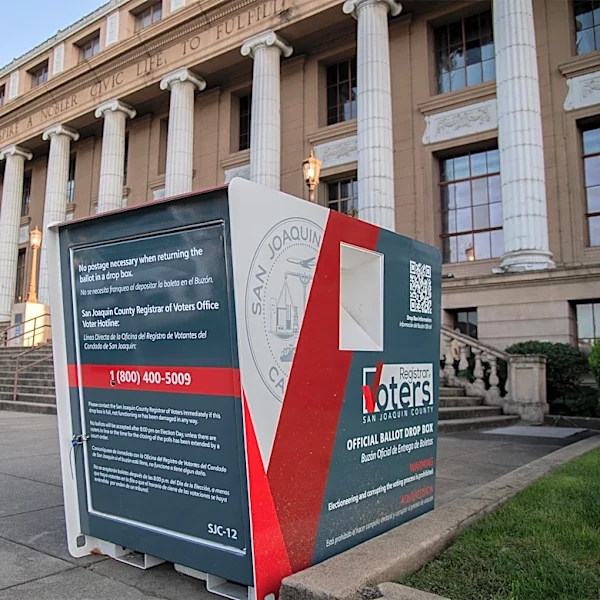
Voting in Indiana is characterized as an intimidating and confusing process, contributing to one of the lowest voter turnout rates in the U.S. This is attributed to minimal state voter education, early registration deadlines, and a perception that many
races are uncompetitive, leading residents to believe their votes may not significantly impact outcomes. Local news organizations in Indiana are actively working to bridge these information gaps and enhance voter confidence. Approaches vary, with some newsrooms like IndyStar conducting statewide tours to gather resident concerns, while others like Free Press Indiana focus on understanding barriers to voting in low-turnout areas and for older Hoosiers. Mirror Indy aims to cover local races and issues often overlooked by larger outlets, and the Indiana Capital Chronicle provides comprehensive voter guides and explanatory pieces on the election process.
Why It's Important?
The challenges in Indiana's voting process and the efforts by local newsrooms highlight a critical issue for U.S. democracy: voter engagement and access. Low voter turnout can lead to a government that is less representative of its constituents' collective wishes, as decisions are made by a smaller, potentially unrepresentative, segment of the population. The role of local journalism becomes paramount in such an environment, acting as a vital mechanism for civic education and participation. By providing detailed voter guides, explaining complex issues, and covering local races, news organizations help empower citizens to make informed decisions. This situation in Indiana reflects broader national concerns about declining trust in the electoral process and the need for accessible, clear information to foster a more engaged and confident electorate.
What's Next?
In the lead-up to elections, Indiana's local newsrooms will continue their efforts to inform and engage voters. This includes publishing comprehensive voter guides, conducting candidate interviews, and hosting debates, as exemplified by FOX59 and CBS4's approach to the secretary of state debate. The Indiana Capital Chronicle will likely maintain its focus on data centers, flock cameras, and property taxes as key public concerns, integrating these into candidate questioning. The ongoing work of organizations like Free Press Indiana and Mirror Indy to understand and address specific barriers to voting, such as those faced by older Hoosiers or residents in low-turnout areas, will be crucial. The long-term goal is to improve voter participation rates, though significant change is acknowledged to be a gradual process, requiring sustained effort from both media and civic organizations.
Beyond the Headlines
The narrative surrounding Indiana's intimidating voting process and the proactive role of local newsrooms reveals deeper societal and political implications. It underscores the fragility of democratic participation when citizens feel disempowered or uninformed. The decline in traditional news consumption and the rise of partisan media can exacerbate these issues, making the objective, explanatory journalism provided by these local outlets even more critical. This situation also touches upon the broader debate about election integrity and trust in democratic institutions. When voters perceive the process as confusing or their vote as inconsequential, it erodes faith in the system. The efforts by Indiana's newsrooms are not just about providing information; they are about rebuilding civic trust and fostering a sense of collective responsibility in shaping public policy, demonstrating the essential function of a free press in a healthy democracy.