






What's Happening?
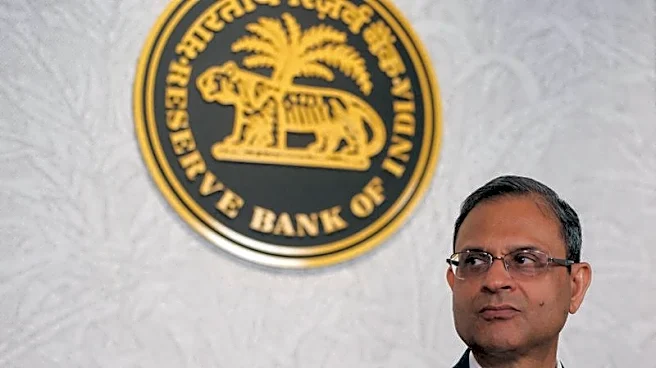
BRICS countries are making significant strides in developing an alternative payment architecture to the dollar-dominated system. India has proposed the interconnection of BRICS' central bank digital currencies (CBDCs), while China is integrating its UnionPay
system into Brazil's Pix. Additionally, Argentina has extended its currency swap agreement with China until 2031, and the mBridge project has reached a minimum viable product stage. These developments are part of a broader trend of financial fragmentation, with BRICS nations advancing in areas such as CBDCs, interoperability between national payment systems, and bilateral currency swap agreements.
Why It's Important?
The efforts by BRICS countries to create an alternative payment system could significantly impact the global financial landscape. By reducing reliance on the dollar and SWIFT, these nations aim to establish a more diversified and resilient financial infrastructure. This shift could alter international trade dynamics and reduce the influence of the U.S. dollar in global markets. For the U.S., this development poses a challenge to its financial hegemony, potentially affecting its economic and geopolitical influence. The move also highlights the growing importance of digital currencies and technological solutions in international finance.
What's Next?
As BRICS countries continue to develop their alternative payment systems, further advancements in CBDC interoperability and bilateral agreements are expected. The success of these initiatives could encourage other nations to explore similar alternatives, potentially leading to a more fragmented global financial system. Stakeholders, including governments and financial institutions, will need to adapt to these changes and consider the implications for international trade and economic policy. The U.S. may need to reassess its strategies to maintain its financial leadership in this evolving landscape.
Beyond the Headlines
The push for an alternative payment architecture by BRICS countries raises questions about the future of global financial governance. The shift towards digital currencies and decentralized payment systems could lead to new regulatory challenges and require international cooperation to ensure stability and security. Additionally, the move away from dollar dominance may influence global power dynamics, with emerging economies gaining more influence in setting financial standards and practices. This development also underscores the importance of technological innovation in shaping the future of international finance.