





What's Happening?
Mali's industrial gold production is projected to stay below 60 metric tons annually until 2029, according to a plan by the country's mines ministry. This forecast follows the implementation of a revised mining code and ongoing disputes between the state
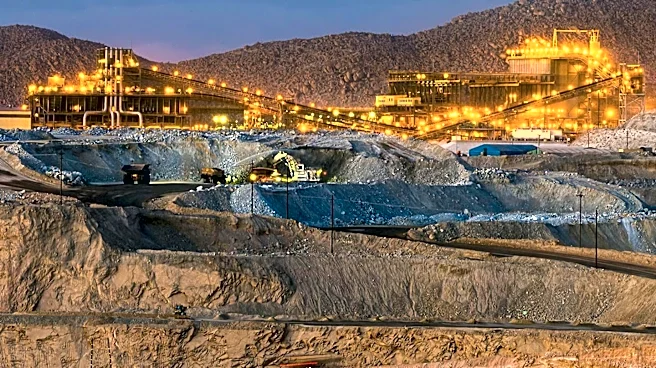
and mining companies. The plan anticipates production to be led by major operations such as B2Gold's Fekola mine and Barrick's Loulo-Gounkoto complex. Despite these projections, Mali's artisanal and small-scale production is expected to remain steady at about six tons annually. The revised mining code, introduced in 2023, aims to increase state revenues but has also led to disputes affecting investor sentiment and production levels.
Why It's Important?
Mali's position as one of Africa's top gold producers means that changes in its production levels can have significant implications for the global gold market. The revised mining code and resulting disputes highlight the challenges of balancing state revenue needs with maintaining a favorable investment climate. The projected production levels suggest that Mali may struggle to regain its previous output highs, potentially affecting global supply and prices. Investors and companies operating in Mali may face increased risks and uncertainties, impacting their strategic decisions and financial performance.