
What's Happening?
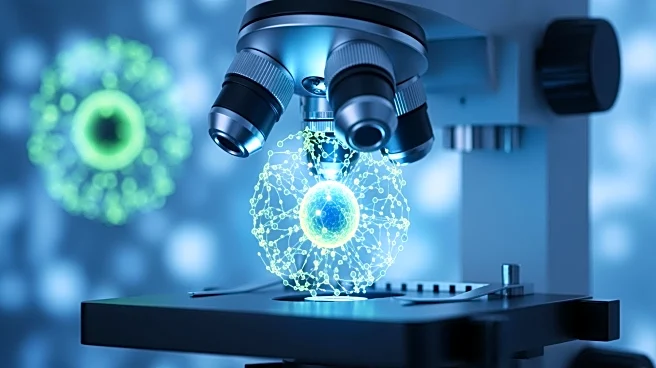
Recent advancements in spatial biology techniques, particularly imaging-based spatial transcriptomics, have significantly enhanced the understanding of complex biological processes. A study has utilized
these techniques to explore immune-metabolic reprogramming in preeclampsia, a pregnancy complication characterized by high blood pressure and potential organ damage. The research employed multi-omics strategies, including spatial transcriptomics, to analyze placental tissues from preeclamptic and control pregnancies. This approach allowed for the identification of cell type-specific dysfunctions and altered cellular interactions, providing a detailed map of the cellular landscape in preeclampsia. The study highlighted the role of specific cell types, such as Hofbauer cells and trophoblasts, in the pathophysiology of the condition, revealing subtype-specific immune and metabolic alterations.
Why It's Important?
The findings from this study are crucial for advancing the understanding of preeclampsia, a condition that poses significant risks to both maternal and fetal health. By identifying specific cellular and molecular changes associated with the disease, the research offers potential pathways for developing targeted therapies and diagnostic tools. The use of spatial biology techniques in this context underscores their value in unraveling complex biological interactions and could pave the way for similar applications in other diseases. This research not only enhances scientific knowledge but also has the potential to inform clinical practices, ultimately improving outcomes for affected individuals.
What's Next?
Future research may focus on translating these findings into clinical applications, such as developing non-invasive diagnostic tests or targeted treatments for preeclampsia. Further studies could also explore the broader applicability of spatial biology techniques in other medical conditions, potentially leading to breakthroughs in understanding and treating various diseases. Collaboration between researchers, clinicians, and industry stakeholders will be essential to harness the full potential of these advancements and integrate them into healthcare systems.
Beyond the Headlines
The study's use of spatial biology techniques highlights a shift towards more integrative and comprehensive approaches in biomedical research. This paradigm shift could lead to a deeper understanding of complex diseases and foster the development of personalized medicine. Additionally, the ethical implications of using advanced technologies in research and healthcare should be considered, ensuring that such innovations are accessible and beneficial to diverse populations.