
What's Happening?
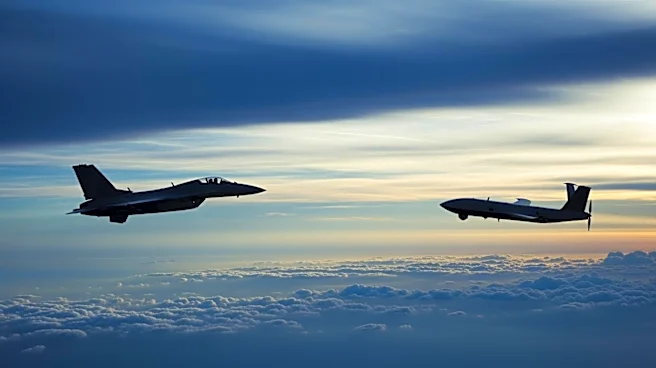
A French military Rafale fighter jet, part of the NATO Baltic Air Policing mission, intercepted and shot down a drone that entered Latvia's airspace from Russia. The incident occurred near the village
of Berzgale, approximately 30 kilometers from the Russian border. The Latvian army attributed the drone's entry to Russian electromagnetic warfare, although it did not specify who launched the drone. This event is part of a series of security incidents along Europe's eastern borders, with similar occurrences involving drones in the airspace of other Baltic states. The French military confirmed the interception, and NATO officials emphasized the alliance's readiness to deter and defend against such threats. No injuries or property damage were reported.
Why It's Important?
The interception of the drone by a NATO member highlights the ongoing tensions and security challenges in Eastern Europe, particularly in the context of Russia's actions in Ukraine. The incident underscores the potential for regional conflicts to spill over into NATO territories, raising concerns about the broader implications for European security. The use of electromagnetic warfare by Russia to disrupt drone paths further complicates the security landscape, necessitating increased vigilance and defense measures by NATO allies. This situation could lead to heightened military readiness and potential escalations if similar incidents continue.
What's Next?
In response to the incident, Latvia and other Baltic states may enhance their anti-drone defenses and increase military patrols along their borders. NATO is likely to continue its air policing missions in the region, potentially involving more member states to ensure comprehensive coverage. Diplomatic efforts may also intensify to address the security concerns posed by Russia's actions, with potential discussions at upcoming NATO meetings. The situation could prompt further international scrutiny and calls for strategic responses to prevent future incursions.
Beyond the Headlines
The incident raises questions about the effectiveness of current international agreements and protocols in managing airspace security and preventing unauthorized drone incursions. It also highlights the evolving nature of warfare, where non-traditional methods such as electromagnetic interference play a significant role. The situation may prompt discussions on updating international laws and defense strategies to address these emerging threats. Additionally, the incident could influence public opinion and policy decisions regarding defense spending and military alliances in Europe.