

What's Happening?
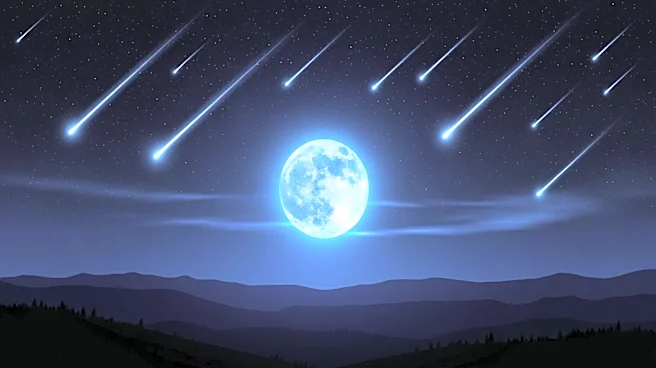
The Eta Aquarid meteor shower, originating from Halley's Comet, is set to peak on the night of May 5-6, 2026. This annual event is known for its fast meteors, which enter Earth's atmosphere at approximately 40 miles per second, often leaving glowing trails.
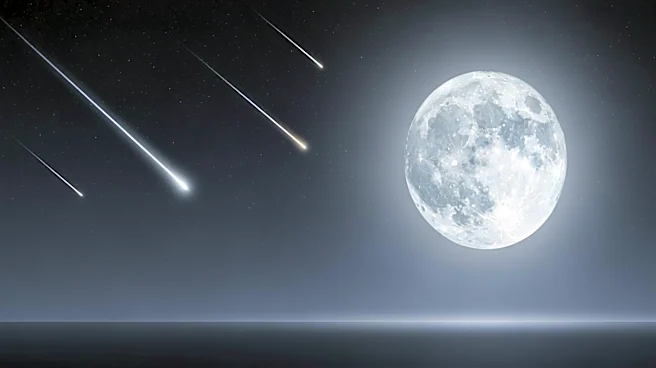
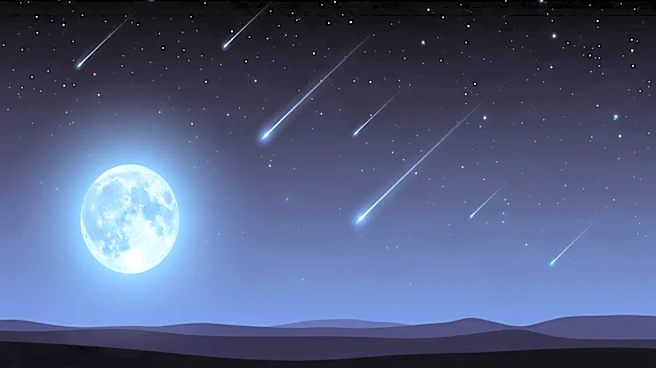
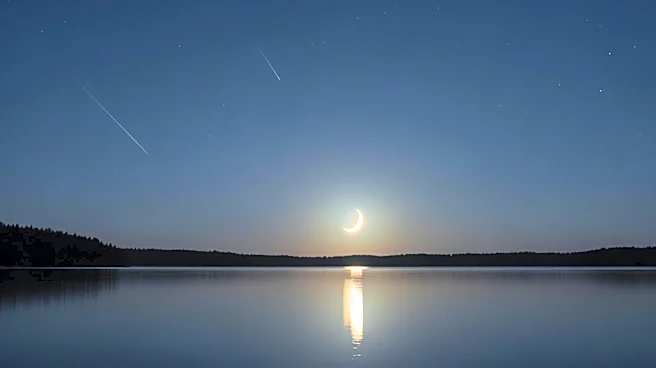
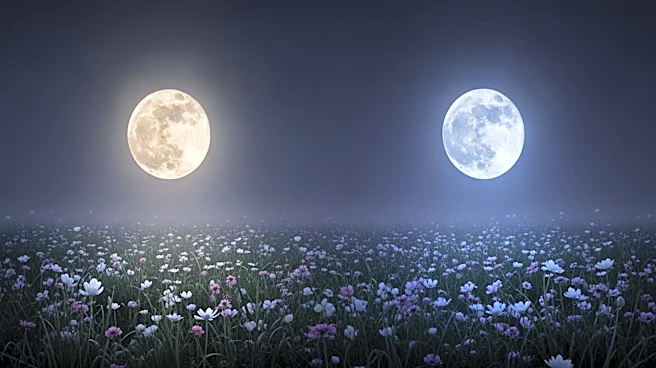
Under ideal conditions, the shower can produce up to 50 meteors per hour. However, this year, the bright moonlight is expected to reduce visibility, potentially limiting the number of visible meteors to fewer than 10 per hour. The best viewing time is before dawn, looking towards the eastern sky. Observers are advised to find a dark location, allow their eyes to adjust for 20-30 minutes, and avoid bright lights to maximize their viewing experience.
Why It's Important?
Meteor showers like the Eta Aquarids offer a unique opportunity for public engagement with astronomy and space science. They provide a natural spectacle that can inspire interest in celestial events and the broader field of space exploration. The Eta Aquarids, in particular, are significant because they are linked to Halley's Comet, a well-known comet that last passed through the inner solar system in 1986 and will not return until 2061. This connection to a famous comet adds historical and scientific interest to the event. Additionally, meteor showers can serve as a reminder of Earth's place in the solar system and the ongoing interactions with cosmic debris.
What's Next?
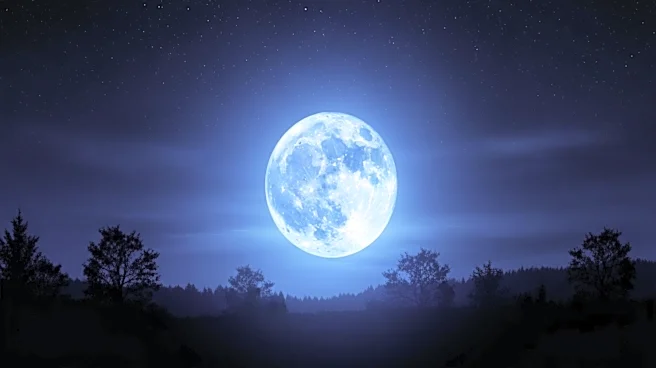
Following the peak of the Eta Aquarid meteor shower, sky watchers can look forward to other celestial events in May, including a conjunction of the Moon and Venus on May 18, and a Blue Moon on May 31. These events provide further opportunities for public engagement and education about astronomy. The Blue Moon, being the second full moon in a calendar month, is a relatively rare occurrence and adds to the month's celestial highlights. Observers are encouraged to stay informed about these events through resources like NASA's website, which offers updates on space missions and astronomical phenomena.