
What's Happening?
The Trump administration is contemplating the release of $6 billion in frozen Iranian assets as part of a potential peace deal with Iran. This initial phase could eventually lead to the unfreezing of a total
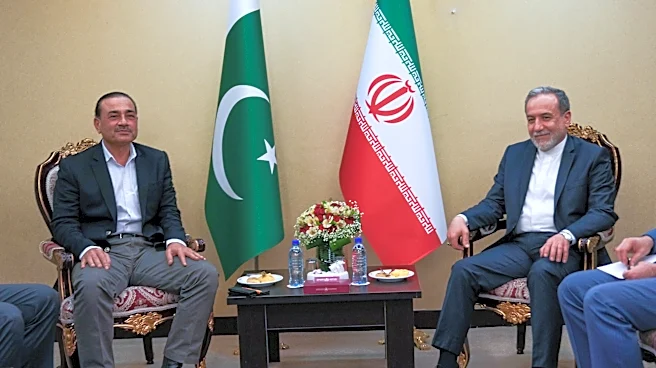
of $20 billion, contingent upon certain conditions being met. These assets, originating from oil sales to South Korea, are currently held in Qatar. President Trump has stated that Iran has agreed to hand over its enriched uranium stockpile, emphasizing that no monetary exchange will occur. The negotiations are being mediated, with a second round of talks potentially taking place in Islamabad, Pakistan. The exact conditions for the release of the assets remain unclear, but discussions include allowing Iran access to overseas revenue frozen by the U.S. and money owed by Iraq for electricity.
Why It's Important?
The potential unfreezing of Iranian assets marks a significant step in U.S.-Iran relations, potentially easing tensions and paving the way for a peace agreement. This move could have substantial implications for international diplomacy and economic relations, particularly in the Middle East. The release of these assets could provide Iran with much-needed financial resources, impacting its economy and regional influence. For the U.S., successfully negotiating a peace deal could enhance its diplomatic standing and reduce military tensions in the region. However, the conditions attached to the asset release, such as Iran's uranium stockpile handover, highlight ongoing concerns about nuclear proliferation and regional security.
What's Next?
The next steps involve further negotiations between the U.S. and Iran, with mediators facilitating discussions. A second round of talks is anticipated in Islamabad, Pakistan, within the next few days. The Trump administration is expected to continue its diplomatic efforts to finalize the peace deal, with travel arrangements for the negotiations potentially confirmed soon. The outcome of these talks will determine the future of the asset release and the broader peace agreement. Stakeholders, including political leaders and international observers, will closely monitor these developments, assessing their impact on regional stability and international relations.