
What's Happening?
New Zealand is bracing for the effects of an unprecedented El Niño event, which is expected to peak around November or December. The phenomenon, declared in July, is still strengthening and is projected
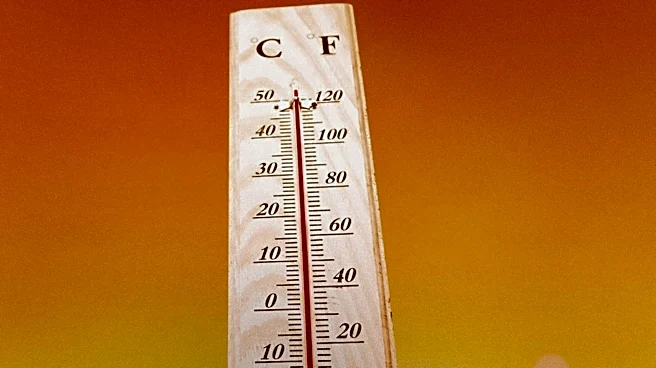
to bring particularly dry conditions to the North Island, while the western and lower South Island may experience wetter-than-usual weather. Chris Brandolino, principal scientist at Earth Sciences New Zealand, warns that the dry conditions could persist beyond October, affecting water-reliant sectors such as agriculture. The event is part of a broader pattern of global climate changes, with similar heatwaves observed in Europe and the Northern Hemisphere.
Why It's Important?
The intensifying El Niño conditions pose significant challenges for New Zealand's agriculture and water management sectors. Farmers and residents relying on tank water are advised to prepare for potential water shortages. The dry conditions could lead to increased wildfire risks, particularly in areas experiencing strong winds. This situation underscores the broader impacts of climate change, as extreme weather patterns become more frequent and severe. The economic implications are substantial, with potential disruptions to agricultural productivity and increased costs for water management and firefighting efforts. The event also highlights the need for robust climate adaptation strategies to mitigate future risks.
What's Next?
As El Niño conditions continue to develop, New Zealanders are encouraged to implement water conservation measures and prepare for potential dry spells. Authorities may issue further advisories and support to affected sectors, particularly agriculture, to help manage the impacts. The government and local councils might also review and enhance their climate resilience plans to better cope with such extreme weather events. Monitoring and research will continue to track the progression of El Niño, providing updated forecasts and guidance. The situation serves as a critical reminder of the importance of addressing climate change and investing in sustainable practices.