










What's Happening?
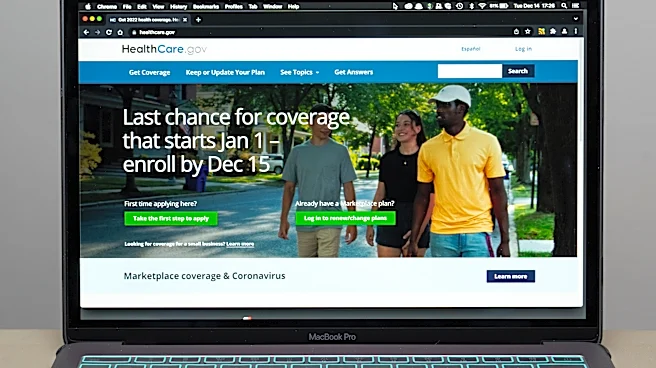
Virginia's new state budget includes $150 million to assist approximately 200,000 residents in affording health insurance through the state-run marketplace. This funding aims to offset the loss of federal enhanced subsidies that expired earlier this year,
which had previously helped many Virginians manage their insurance costs. The budget targets households earning between 138% and 250% of the federal poverty level, providing crucial support to those who lost coverage or are struggling to maintain it. The initiative is part of a broader effort to address the gap left by federal cuts to healthcare subsidies and Medicaid eligibility.
Why It's Important?
The allocation of state funds to support health insurance affordability is a critical step in addressing the healthcare coverage gap in Virginia. With the expiration of federal subsidies, many residents faced increased premiums, leading to a rise in the uninsured rate. By providing state-level financial assistance, Virginia aims to stabilize its insurance marketplace and ensure that more families can access and maintain health coverage. This move highlights the challenges states face in compensating for federal policy changes and underscores the importance of state-level interventions in healthcare policy.
What's Next?
The new affordability program will take effect on January 1, when the next round of health insurance plans becomes available. However, Virginia lawmakers will need to continue addressing healthcare affordability in future budgets, as the current funding is a short-term solution. The issue of healthcare coverage is likely to remain a significant topic in state and national policy discussions, with potential implications for future legislative actions and budget allocations.