







What's Happening?
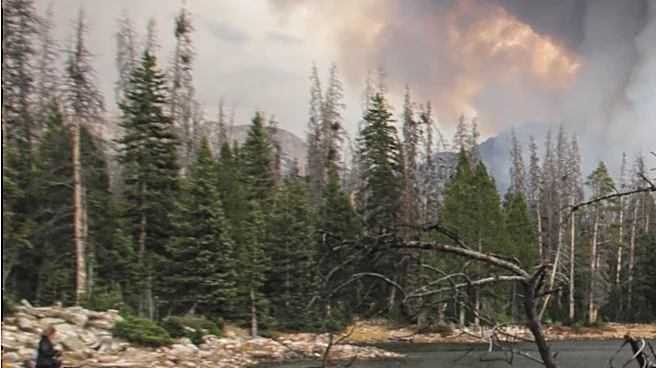
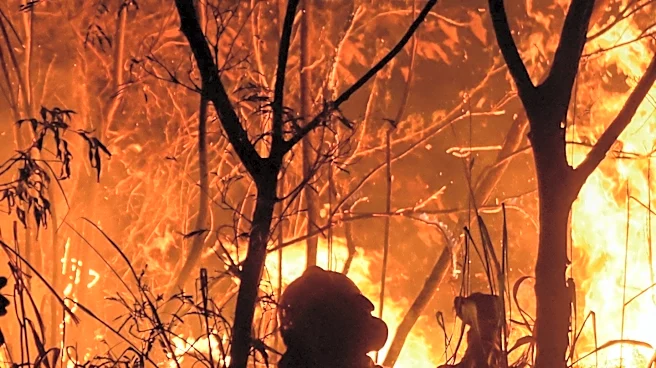
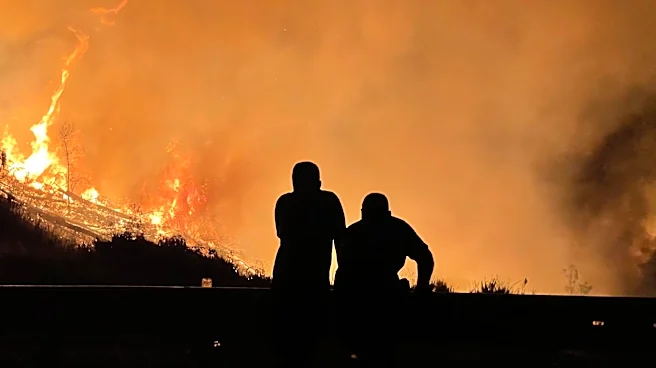
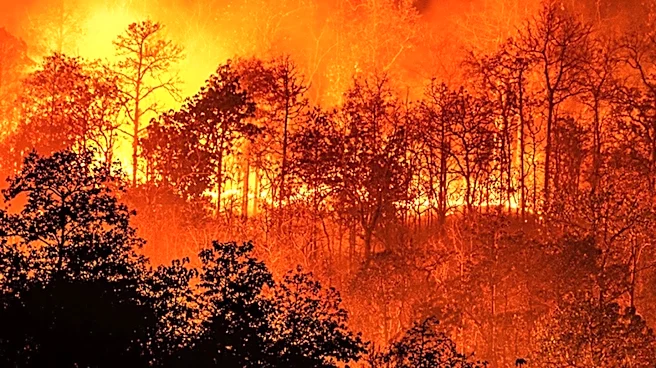
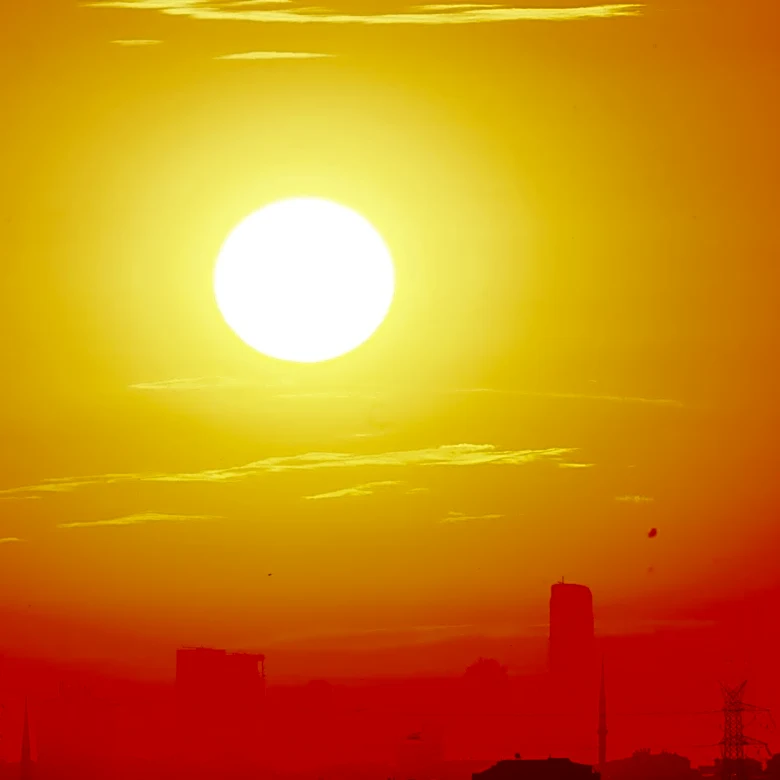
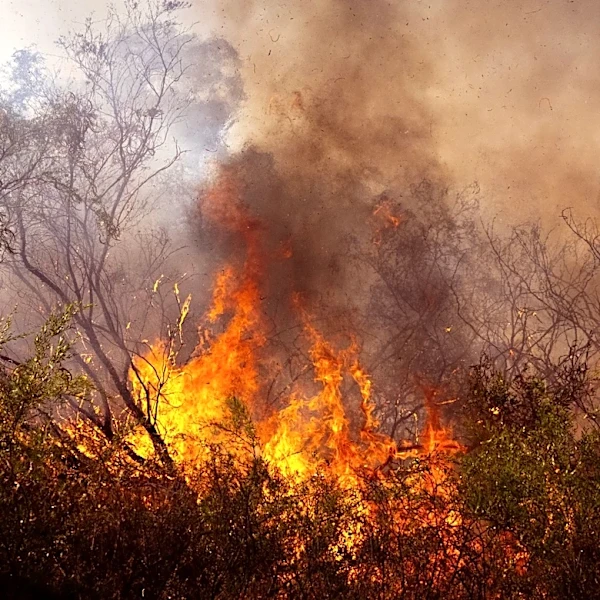
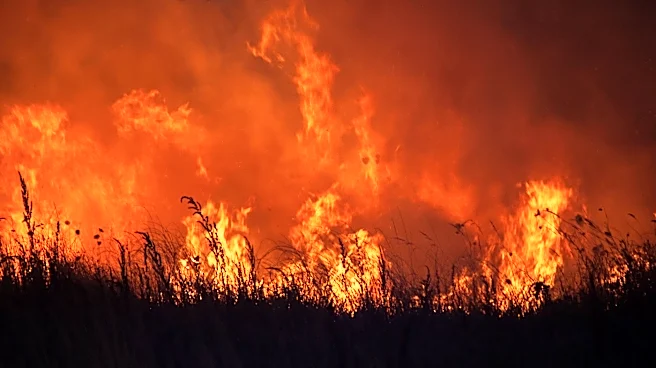
Wildfires across the United States are burning millions of acres and destroying thousands of structures, with the National Interagency Fire Center tracking the largest active fires. The increasing intensity and destructiveness of fire seasons are attributed
to a warming climate and dry conditions, particularly affecting Western states like California. The fires pose health risks due to fine particles in smoke, prompting federal officials to advise residents to monitor local air quality. The situation is being updated regularly with data from the National Interagency Fire Center, highlighting the ongoing challenges in managing and mitigating wildfire impacts.
Why It's Important?
The intensification of wildfires in the U.S. underscores the urgent need for effective climate and environmental policies. The fires not only threaten lives and property but also have significant implications for air quality and public health. As climate change continues to exacerbate fire conditions, there is increased pressure on policymakers to implement strategies that address both the causes and consequences of wildfires. The economic impact is also substantial, affecting industries such as insurance, real estate, and agriculture. The situation calls for coordinated efforts to enhance fire management and resilience in affected communities.