




What's Happening?
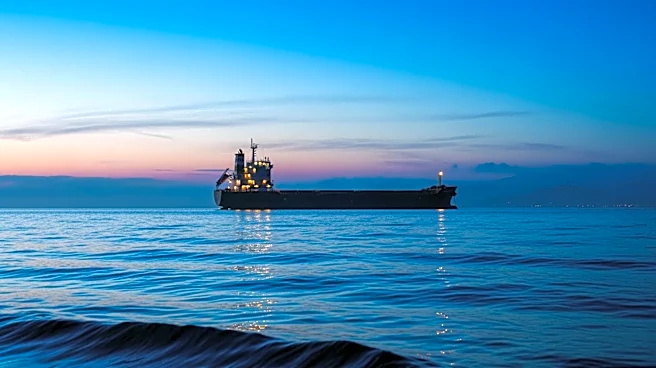
Iran announced the suspension of talks with the US to end the war and reopen the Strait of Hormuz following intensified Israeli military action in Lebanon and renewed airstrikes in the Persian Gulf. Despite President Trump's insistence that negotiations
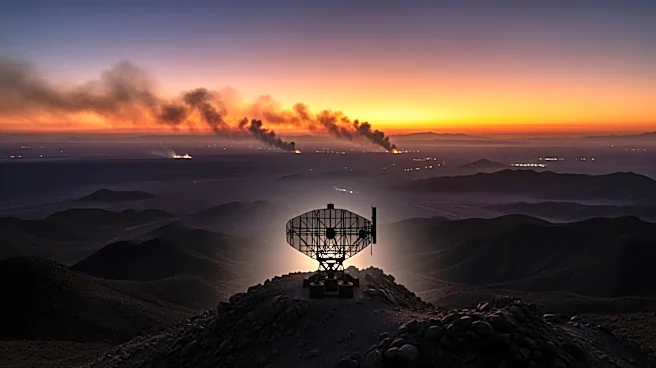
are ongoing, an Iranian official cited Israel's attacks in Lebanon as a reason for halting discussions. The suspension follows a series of US and Iranian military exchanges, including US strikes on Iranian radar and drone sites near the Strait of Hormuz and Iran's retaliatory missile fire into Kuwait. The situation complicates efforts to finalize a memorandum of understanding and highlights the challenges in achieving a ceasefire.
Why It's Important?
The suspension of talks between Iran and the US threatens to prolong the conflict, impacting global energy markets and regional stability. The Strait of Hormuz is a critical chokepoint for global oil shipments, and disruptions can lead to increased energy prices and economic uncertainty. The escalation in military activities underscores the difficulty in achieving a ceasefire and resolving geopolitical tensions. The situation also affects US foreign policy and President Trump's efforts to negotiate an end to the conflict, with implications for international relations and security.
What's Next?
The suspension of talks raises concerns about further military escalation and the potential for broader conflict in the region. The US and Iran may continue to engage in tit-for-tat attacks, complicating efforts to reach a diplomatic resolution. The international community, including the UN, may intervene to mediate the situation and prevent further violence. The outcome of ongoing negotiations and military activities will determine the next steps in addressing the conflict and achieving peace. The situation remains fluid, with potential implications for global energy markets and regional stability.
Beyond the Headlines
The conflict between Iran and the US highlights broader geopolitical tensions and the challenges of achieving lasting peace in the Middle East. The involvement of major powers, such as the US and Israel, reflects the complex dynamics at play. The situation also underscores the importance of diplomatic efforts and international cooperation in resolving conflicts and maintaining regional stability. The humanitarian impact of the conflict, including civilian casualties and infrastructure damage, raises ethical and moral considerations for the international community.