









What's Happening?
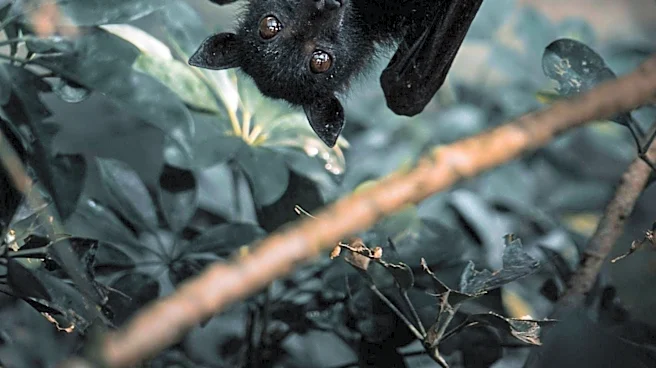
A bat discovered on a sidewalk near the University of Washington campus in Seattle has tested positive for rabies, according to Public Health – Seattle & King County. The bat was found on University Way Northeast, a busy area with many businesses, and
was euthanized by animal control. Public Health officials have confirmed that the bat tested positive for rabies and are urging anyone who may have had contact with the bat to seek medical evaluation immediately. Rabies is a life-threatening disease that is almost always fatal once symptoms appear, but it can be prevented if treatment is administered before symptoms develop. Public Health has received multiple calls about the bat, but so far, no individuals are known to have been exposed. However, officials emphasize that anyone who might have touched the bat, even without a bite, should seek medical advice.
Why It's Important?
The discovery of a rabid bat in a densely populated area like the University of Washington campus raises significant public health concerns. Rabies is a deadly disease, and early intervention is crucial to prevent fatalities. The incident highlights the importance of public awareness and prompt action in potential rabies exposure cases. It also underscores the need for effective communication between public health authorities and the community to ensure that individuals who may have been exposed receive the necessary medical attention. This event serves as a reminder of the ongoing need for vigilance in monitoring and managing wildlife diseases that can impact human health.
What's Next?
Public Health – Seattle & King County will continue to monitor the situation and provide guidance to the public. They have advised anyone who may have had contact with the bat to call their hotline for further instructions. The agency may also increase public awareness campaigns to educate the community about the risks of rabies and the importance of avoiding contact with wild animals. Additionally, animal control efforts may be intensified in the area to prevent further incidents. The situation may prompt discussions on improving wildlife management and public health response strategies in urban settings.