
What's Happening?
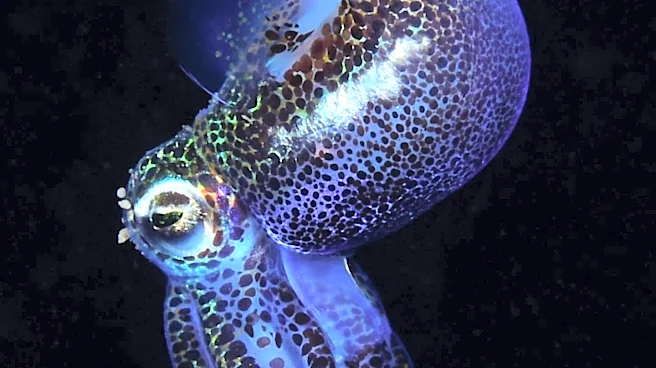
Recent studies have shed light on the evolutionary adaptations of ancient cephalopods, which lived over 540 million years ago. These early marine creatures developed unique buoyancy control systems, allowing them to navigate the ocean's depths effectively.
By utilizing a system of chambers within their shells, cephalopods could adjust their buoyancy by regulating the gas and liquid within these chambers. This adaptation enabled them to become efficient predators in the marine ecosystem, marking a significant evolutionary step from their predecessors, who were limited to the ocean floor.
Why It's Important?
The evolutionary advancements of ancient cephalopods highlight the complexity and adaptability of life forms in response to environmental challenges. Understanding these adaptations provides insight into the evolutionary pressures that shaped marine biodiversity. The ability of cephalopods to control buoyancy and become active predators represents a pivotal moment in the history of life, influencing the structure of marine ecosystems. These findings contribute to the broader understanding of evolutionary biology and the mechanisms that drive species diversification and adaptation.