





What's Happening?
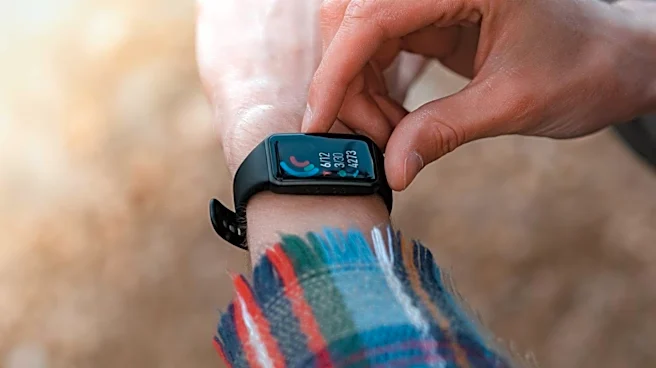
Living with Type 1 diabetes involves a complex balance of nutrition, physical activity, and technological tools like Continuous Glucose Monitors (CGMs). CGMs have significantly advanced diabetes treatment by offering detailed insights into blood sugar
trends, especially in response to exercise, food, and stress, surpassing the limited information provided by traditional finger-stick tests. While exercise is beneficial for managing blood sugar, it can also lead to dangerous lows, particularly aerobic exercise which can cause low blood sugar for up to 24 hours post-workout. CGMs are crucial in this context as they can alert users to trending low blood sugar, helping to prevent serious hypoglycemia. However, maintaining CGM adherence during physical activity, especially with sweat and friction, presents a common challenge. Products like Eloquest Healthcare’s Mastisol Liquid Adhesive are designed to help secure CGMs, ensuring they remain in place during workouts. Proper skin preparation with alcohol before application is also recommended to prevent infection.
Why It's Important?
The integration of Continuous Glucose Monitors (CGMs) into the daily lives of individuals with Type 1 diabetes is profoundly important for their health and quality of life. Type 1 diabetes management is a continuous balancing act, and CGMs provide the critical real-time data needed to make informed decisions about insulin dosing, nutrition, and exercise. The ability of CGMs to detect and alert users to impending hypoglycemia, especially during and after physical activity, is a significant safety feature that can prevent severe health complications. This technology empowers individuals to engage in physical activity more confidently, knowing they have a tool to monitor and manage their blood sugar fluctuations. For the healthcare industry, the development of solutions like specialized adhesives addresses practical challenges, improving patient compliance and the overall effectiveness of CGM therapy. This focus on practical usability ensures that the benefits of advanced medical technology are accessible and sustainable for patients in their everyday routines, ultimately contributing to better long-term health outcomes and reduced emergency interventions.
What's Next?
The future for individuals managing Type 1 diabetes with Continuous Glucose Monitors (CGMs) will likely focus on enhancing the user experience and improving the integration of these devices into active lifestyles. Continued innovation in adhesive technology and sensor durability will be crucial to address challenges related to sweat, friction, and high-impact movements, ensuring CGMs remain securely attached. There will also be an emphasis on refining CGM algorithms to provide even more accurate and timely alerts, minimizing false alarms while effectively preventing dangerous blood sugar fluctuations. Further research and development may lead to CGMs that are more discreet, comfortable, and seamlessly integrated with other diabetes management tools, such as insulin pumps, to create more sophisticated automated insulin delivery systems. Educational initiatives will also be vital to help users understand how different types of exercise impact their blood sugar and how to best utilize CGM data to adjust their routines and insulin dosages. The goal is to make living with Type 1 diabetes less burdensome and more predictable, allowing individuals to lead fuller, more active lives.
Beyond the Headlines
Beyond the immediate benefits of blood sugar monitoring, the widespread use of Continuous Glucose Monitors (CGMs) for Type 1 diabetes is fostering a deeper understanding of the body's physiological responses to various stimuli. This granular data empowers individuals to become experts in their own metabolic health, leading to a more proactive and personalized approach to chronic disease management. The challenges associated with CGM wear during physical activity highlight a broader issue in medical device design: the need for devices to seamlessly integrate into diverse and active lifestyles. This pushes manufacturers to innovate not just in core technology but also in ancillary products like adhesives, recognizing that real-world usability is paramount. Furthermore, the continuous feedback loop provided by CGMs can reduce the psychological burden of living with Type 1 diabetes, offering a sense of control and security that traditional monitoring methods could not. This shift towards continuous, data-driven self-management could also influence how other chronic conditions are monitored and treated, paving the way for a future where personalized, real-time health data is a cornerstone of preventative and therapeutic care.