





What's Happening?
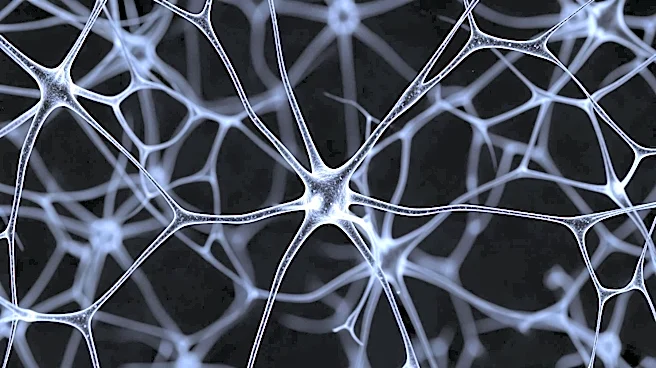
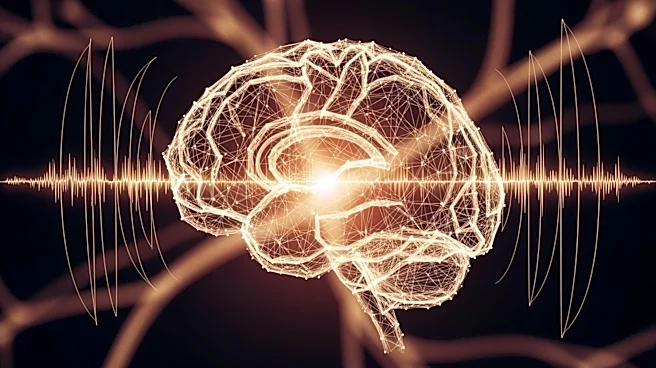
Researchers at NYU Langone Health have discovered that astrocytes, traditionally seen as support cells in the brain, form extensive networks that connect distant brain regions in mice. This study, led by Dr. Melissa Cooper, reveals that astrocytes communicate
through organized webs, similar to neurons, and can link areas not previously connected by neurons. The research utilized a novel tracing tool to map these astrocyte networks, showing that they are highly specific and dynamic, capable of changing in response to sensory experiences. This finding challenges the long-held view that neurons are the primary mediators of brain connectivity.
Why It's Important?
This discovery adds a new layer to our understanding of brain connectivity, suggesting that astrocytes play a more active role in brain function than previously thought. The implications are significant for neuroscience, as it opens new avenues for research into how these networks might influence brain development, aging, and diseases such as Alzheimer's and Parkinson's. Understanding astrocyte networks could lead to novel therapeutic strategies for neurological disorders, as these cells might be involved in maintaining brain health and facilitating recovery from injury.
What's Next?
Future research will focus on identifying the molecules that travel through these astrocyte networks and how these pathways change in response to brain disorders. The researchers plan to apply their tracing tool to study models of brain diseases and explore how astrocyte networks evolve during development and aging. This could provide insights into personalized medicine approaches, as individual experiences might shape unique astrocyte network patterns.