




What's Happening?
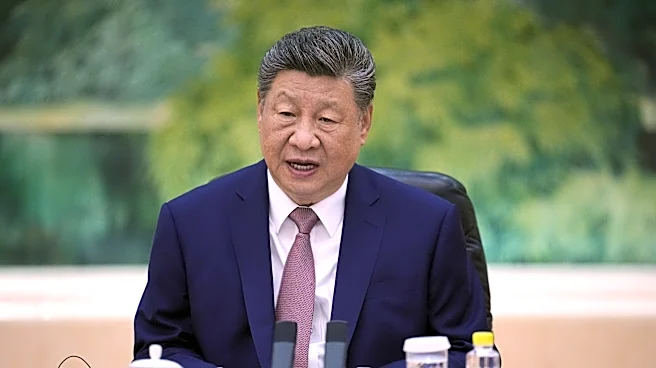
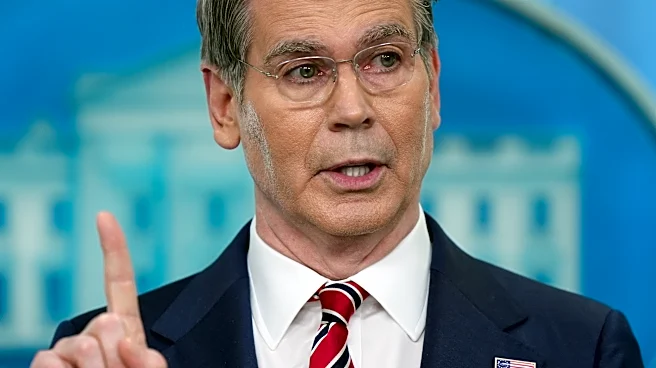
President Trump has announced that China has agreed not to send weapons to Iran, amidst reports of potential new air defense systems being provided to Tehran. This development comes as Trump prepares for a meeting with Chinese leader Xi Jinping in Beijing
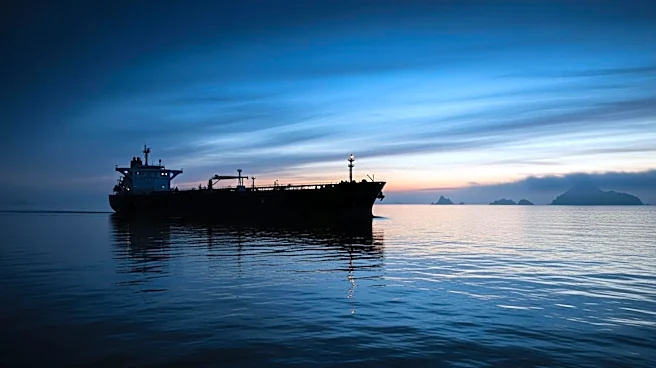
next month. Trump claims that Xi is pleased with his efforts to open the Strait of Hormuz, despite Chinese officials previously criticizing the blockade as dangerous. The blockade was implemented by the U.S. as a pressure tactic against Iran, which has been demanding tolls for passage through the strait. Trump has expressed confidence in the U.S.'s ability to handle conflicts, while emphasizing the importance of cooperation with China.
Why It's Important?
This agreement between the U.S. and China is significant as it potentially de-escalates tensions in the Middle East, particularly concerning Iran's military capabilities. The Strait of Hormuz is a critical chokepoint for global oil shipments, and any conflict in this region could have severe implications for international oil markets and global economic stability. The U.S.'s diplomatic engagement with China on this issue highlights the strategic importance of maintaining open communication channels with major global powers to manage regional conflicts. Additionally, this development may influence U.S.-China relations, showcasing a potential area of cooperation amidst broader geopolitical tensions.
What's Next?
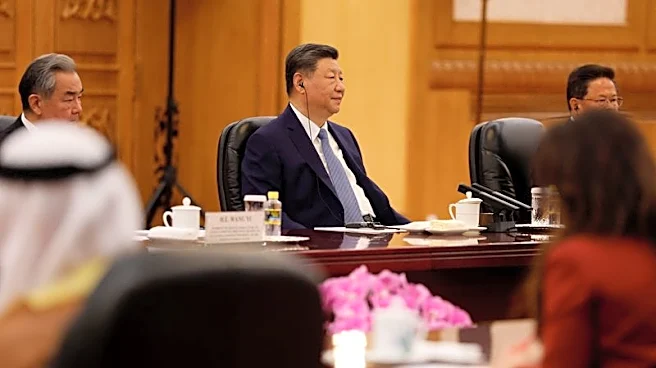
President Trump and Xi Jinping are scheduled to meet in Beijing on May 14-15, where further discussions on regional security and economic cooperation are expected. The outcome of this meeting could shape future U.S.-China relations and influence the geopolitical landscape in the Middle East. Observers will be watching for any new agreements or shifts in policy that may arise from this high-level engagement. Additionally, the international community will be monitoring the situation in the Strait of Hormuz to assess the impact of the U.S. blockade and any subsequent actions by Iran or other regional actors.