






What's Happening?
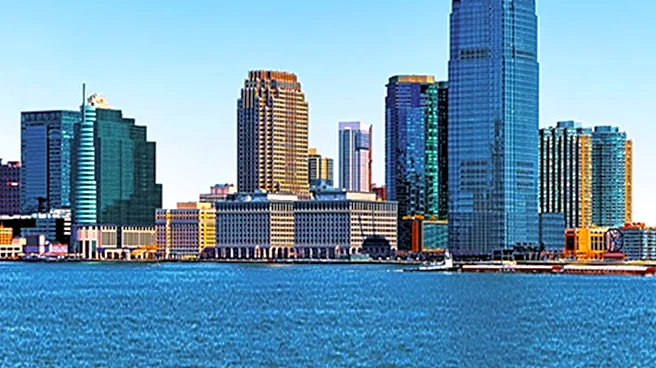
Jersey City Mayor James Solomon has proposed a 20% property tax increase to address a $255 million budget deficit, which he claims was left by the previous administration. The proposed tax hike is intended to cover approximately 28% of the city's total
budget. Solomon announced the plan on social media and intends to present it to the city council. The increase would impact property owners across the city, particularly affecting working-class families. Solomon has also appealed to state lawmakers in Trenton for $120 million in assistance. Former Mayor Steven Fulop has disputed Solomon's characterization of the city's finances, suggesting that the deficit is being used for political purposes.
Why It's Important?
The proposed tax increase is significant as it highlights the financial challenges facing Jersey City, the second-largest city in New Jersey. The decision to raise property taxes could have widespread implications for residents, particularly those on the financial edge, as it may increase the cost of living. The move also underscores the broader issue of municipal budget management and the political dynamics involved in addressing fiscal shortfalls. The outcome of this proposal could set a precedent for how other cities handle similar financial crises, especially in the context of seeking state assistance.
What's Next?
Mayor Solomon is expected to present the tax increase proposal to the city council in July, with plans to implement the changes by August. The proposal's success will depend on the council's approval and the response from state lawmakers regarding the requested financial assistance. The situation may also prompt further political debate between current and former city officials, as well as among residents who may be affected by the tax hike.