



What's Happening?
The World Food Programme (WFP), the largest humanitarian organization globally, is transitioning from its 2021-2026 Country Strategic Plan (CSP) to a new plan for 2027-2030. This new strategic framework prioritizes crisis response and aims to integrate
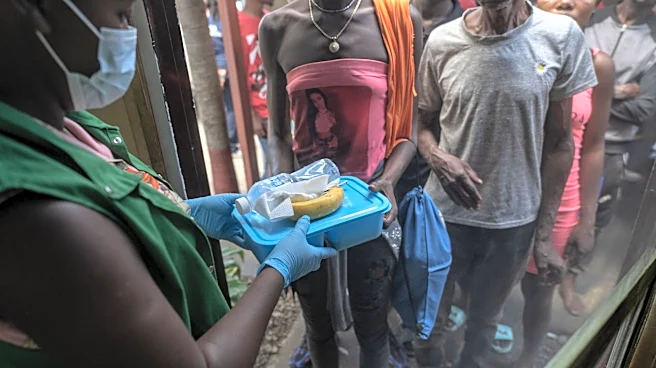
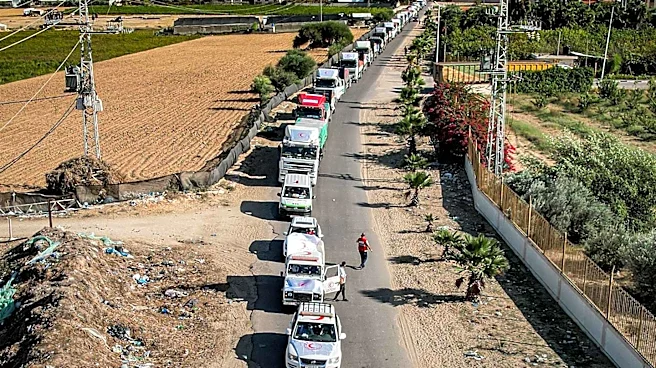
emergency assistance with early recovery, resilience-building, nutrition-sensitive food systems, school-based programs, social protection, and nationally owned systems. The WFP's operations encompass humanitarian aid, emergency response, food security, nutrition, resilience building, and international development. The organization is committed to diversity and equal employment opportunities for its staff. In the Democratic Republic of Congo (DRC), for instance, WFP delivers life-saving food and nutrition assistance through various modalities, including in-kind food, cash, and e-vouchers, while also supporting school-based programs, resilience, livelihoods, local food systems, emergency preparedness, and national capacity strengthening. Resource constraints necessitate disciplined prioritization and strong program assurance.
Why It's Important?
This strategic shift by the WFP is crucial for addressing the escalating global humanitarian needs, particularly in regions facing protracted crises, such as the Democratic Republic of Congo. By placing crisis response first and integrating various forms of assistance, the WFP aims to create more sustainable pathways to peace, stability, and prosperity. The emphasis on resilience-building and nationally owned systems signifies a move towards empowering local communities and governments to better manage future shocks. The WFP's commitment to diversity and equal employment opportunity also highlights its dedication to fostering an inclusive and effective workforce, which is vital for successful humanitarian operations. The organization's efforts to optimize resource allocation, especially in contexts of declining funding, underscore the importance of efficient and impactful aid delivery.
What's Next?
The WFP will implement its new 2027-2030 Country Strategic Plan, focusing on translating this strategy into coherent field plans, annual workplans, and budgets. This will involve leading and supervising program teams, ensuring timely and accountable delivery of life-saving food and nutrition assistance, and operationalizing integrated humanitarian solutions. The WFP will continue to strengthen emergency preparedness, early warning systems, and rapid response capabilities. Furthermore, it will focus on building effective partnerships with authorities, communities, United Nations entities, cooperating partners, and donors. The organization will also prioritize strengthening government capacity and nationally owned systems for school feeding, nutrition, food security, disaster risk management, and social protection, including links with smallholder farmers and local procurement.
Beyond the Headlines
The WFP's transition to a new strategic plan reflects a broader evolution in humanitarian aid, moving beyond immediate relief to more holistic and sustainable interventions. The integration of early recovery, resilience, and nutrition-sensitive food systems acknowledges the complex interplay of factors contributing to food insecurity and aims to address root causes rather than just symptoms. The focus on nationally owned systems and local partnerships also signifies a shift towards greater localization in humanitarian efforts, which can enhance effectiveness and long-term impact. This approach recognizes that sustainable solutions require empowering local actors and building their capacity to respond to and recover from crises, ultimately fostering greater self-reliance and reducing dependence on external aid.