


What's Happening?
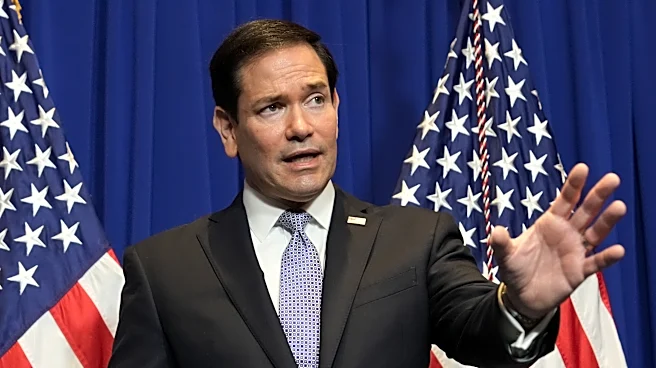
Secretary of State Marco Rubio stated there is no evidence linking recent widespread technology outages in the U.S. or suggesting they are the result of malicious actors. Speaking from a diplomatic summit in Asia, Rubio addressed public concerns following
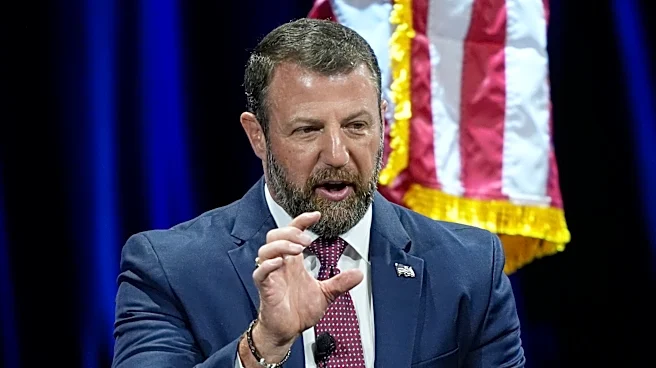
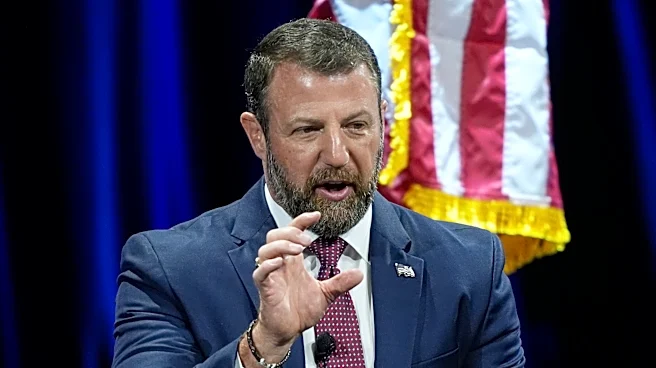
disruptions to various critical systems, including U.S. air traffic operations, Microsoft services, banking applications, and a top-secret National Security Agency (NSA) communications network. He emphasized that authorities have found "zero evidence" to suggest these incidents are connected or caused by cyber hackers, criminals, or nation-states. The NSA acknowledged a "temporary degradation" in its internal communications due to scheduled maintenance, while the Federal Aviation Administration attributed its issues to outdated equipment. Homeland Security Secretary Markwayne Mullin also affirmed that the U.S. is not under cyberattack and the homeland remains secure. These assurances come amidst a series of high-profile technical failures that have impacted millions of Americans.
Why It's Important?
The series of technology outages has raised significant concerns about the reliability of critical infrastructure and digital services in the U.S. The disruptions have affected daily life, causing widespread travel delays, interrupting business operations, and impacting access to essential financial services. Secretary Rubio's statements aim to calm public anxiety and counter speculation about coordinated cyberattacks or foreign interference. The incidents highlight the increasing vulnerability of modern society to technological failures, given the deep integration of digital systems into everyday life. The Democratic Party has criticized the Trump administration for a perceived lack of transparency and competence in handling these issues, suggesting a need for greater accountability and explanation from the White House. The situation underscores the ongoing challenge of maintaining robust and secure digital infrastructure in an increasingly interconnected world.
What's Next?
The Trump administration is likely to face continued pressure from Congress and the public to provide more detailed explanations regarding the causes of these outages and the measures being taken to prevent future occurrences. Democrats, in particular, have called for administration officials to appear before Congress to explain the situation. While officials have attributed the incidents to technical glitches, maintenance issues, or outdated equipment, the frequency and scope of the disruptions may prompt further scrutiny into cybersecurity protocols and infrastructure investments. Companies affected, such as Microsoft, Apple, and major banks, will likely continue to review and reinforce their systems to prevent similar outages. The focus will remain on ensuring the resilience of critical national systems, especially as the U.S. approaches the busy Thanksgiving travel period.
Beyond the Headlines
The recent wave of tech outages underscores a broader societal challenge related to the increasing dependence on complex digital systems. Beyond immediate disruptions, these events raise questions about systemic vulnerabilities and the potential for cascading failures across interconnected networks. The public's trust in digital infrastructure and government oversight could be eroded if such incidents continue without clear, comprehensive explanations and demonstrable improvements. There's an underlying ethical dimension concerning transparency from both government agencies and private corporations when critical services fail. The incidents also highlight the economic impact of downtime, affecting productivity, commerce, and consumer confidence. Long-term, these events could accelerate discussions and investments in upgrading aging infrastructure, enhancing cybersecurity defenses, and developing more resilient, redundant systems to mitigate future risks.