


What's Happening?
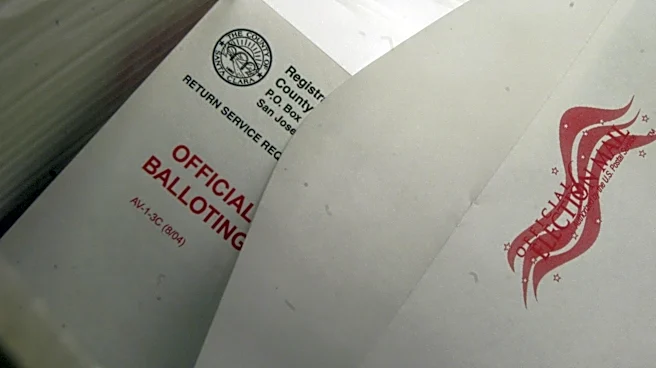
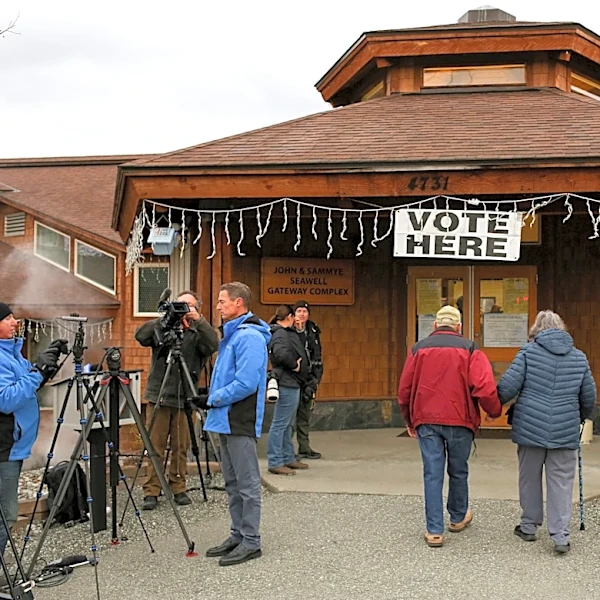
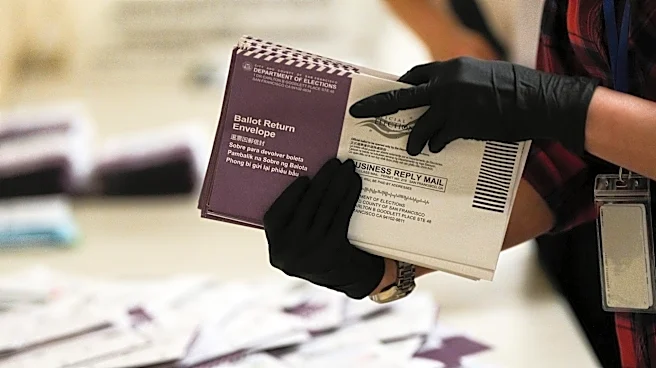
Verified Voting's President and CEO, Pamela Smith, has attributed the relatively smooth operation of the recent midterm elections to extensive advance preparation, mitigation plans, and key safeguards such as paper ballots. Despite intense political scrutiny
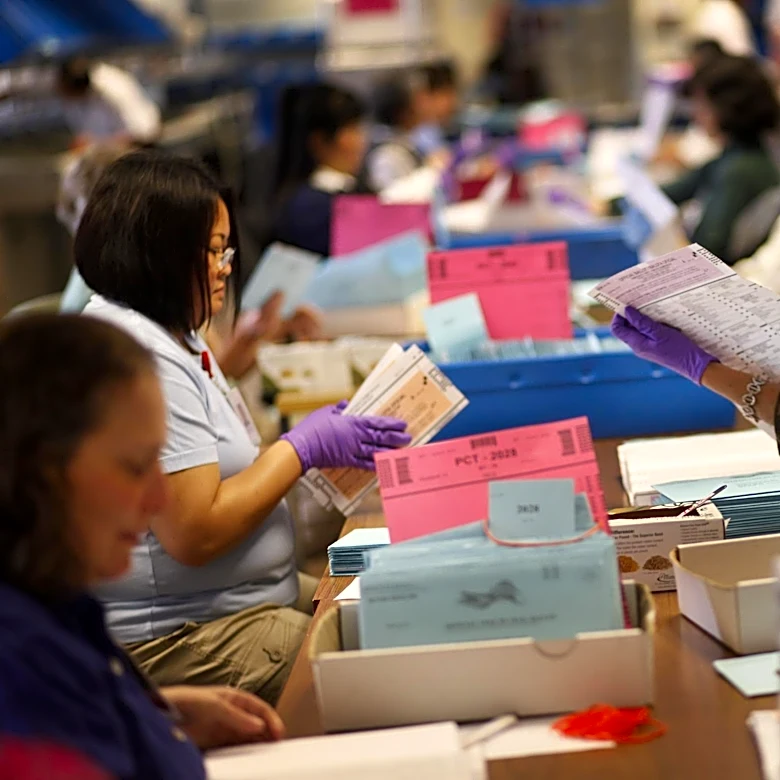
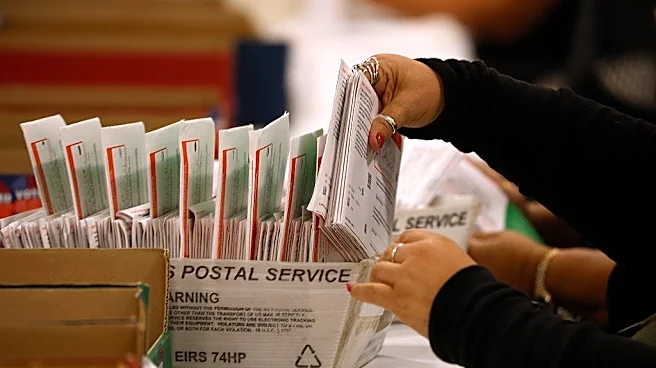
and pre-election anxieties, millions of Americans successfully cast their ballots, both in person and by mail, largely without interference. Smith emphasized that the resilience of Election Day operations demonstrates the effectiveness of the 'guardrails' in place and the significant effort invested in planning to ensure voters could participate. As the focus shifts to the post-election period, Verified Voting stresses the importance of allowing election officials to complete the multi-step process of tabulating remaining ballots, reconciling records, and conducting post-election audits to accurately certify every eligible vote.
Why It's Important?
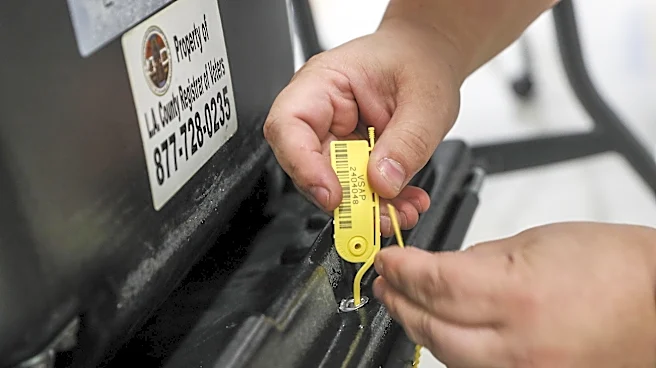
The statement from Verified Voting underscores the critical role of robust election infrastructure and dedicated nonpartisan professionals in maintaining public confidence in the democratic process. In an era marked by heightened concerns over election integrity, the successful execution of the midterms, as described, provides a counter-narrative to claims of widespread issues. The reliance on paper ballots is particularly significant, as they offer a verifiable audit trail, enhancing transparency and the ability to confirm results. This positive assessment can help to alleviate voter anxieties and reinforce trust in election outcomes, which is vital for political stability and civic engagement. Conversely, any perceived failures or irregularities could erode this trust, potentially leading to increased polarization and challenges to election results.
What's Next?
The immediate next steps involve election officials diligently completing the post-election processes, including ballot tabulation, record reconciliation, and comprehensive post-election audits. These audits are crucial for verifying the accuracy of the results and addressing any discrepancies. The ongoing success of these processes will further solidify the perception of election integrity. Looking ahead, the insights gained from this election cycle will likely inform future election planning and policy discussions, particularly regarding the continued implementation and enhancement of safeguards like paper ballots and advance preparation strategies. The focus will remain on ensuring that future elections continue to be administered smoothly and securely, building upon the lessons learned from this period.
Beyond the Headlines
The emphasis on 'guardrails' and 'advance preparation' highlights a broader shift towards proactive measures in election administration, moving beyond reactive responses to potential issues. This approach reflects a growing understanding that election integrity is not solely about preventing fraud but also about building a resilient system that can withstand various challenges, including political pressures and technological vulnerabilities. The mention of 'dedicated nonpartisan professionals' points to the often-overlooked human element in election administration, whose expertise and commitment are fundamental to the democratic process. This narrative also subtly addresses the ongoing debate about the balance between accessibility and security in voting, suggesting that with proper planning and safeguards, both can be achieved.