



What's Happening?
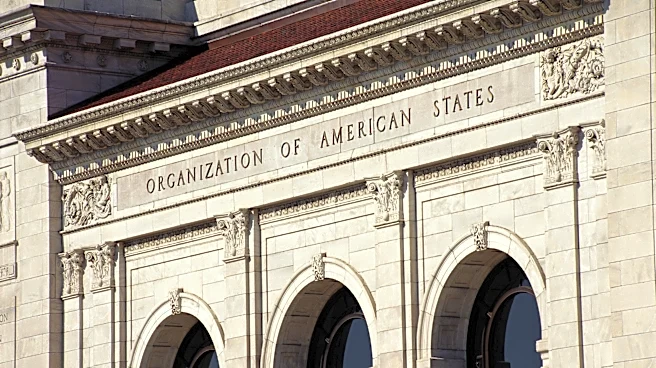
The United States has officially lost its measles elimination status, a designation it held for 26 years, according to an announcement by the Pan American Health Organization (PAHO). Measles is now classified as endemic in the U.S. because a strain of the virus
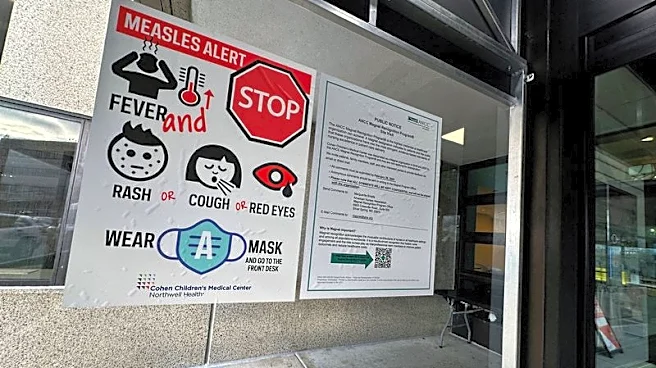
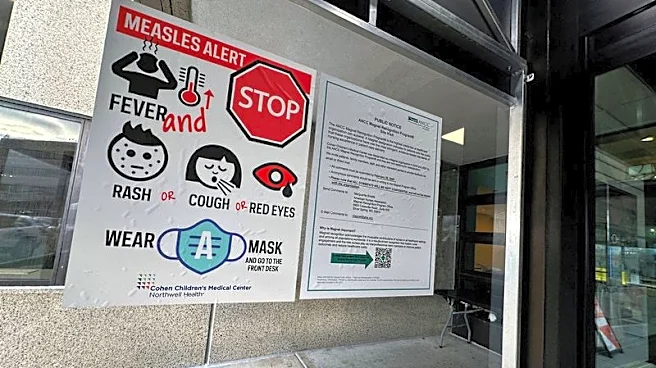
has been circulating without interruption for over a year. This public health setback comes as the country has reported more than 5,400 measles cases and 10 associated deaths. The primary reason for this decline is falling childhood vaccination rates, a trend that accelerated during the pandemic. Nationwide kindergarten vaccination rates have dropped below the 95% threshold required to prevent measles from spreading effectively, creating communities where the virus can rapidly transmit among unvaccinated individuals. Public health officials express devastation over this preventable failure.
Why It's Important?
The loss of measles elimination status is a significant blow to U.S. public health and its standing as a global health leader. It signifies a backsliding in infectious disease control and raises concerns about the country's ability to manage other public health challenges. Measles is highly contagious, with 9 out of 10 non-immune individuals becoming infected upon exposure. The re-establishment of endemic measles poses a direct threat to unvaccinated populations, particularly young children and immunocompromised individuals, who are at higher risk of severe complications and death. This development also highlights the broader societal impact of vaccine hesitancy and misinformation, which have contributed to declining vaccination rates and the erosion of herd immunity. The economic burden of managing outbreaks, including healthcare costs and public health response efforts, is also expected to increase.
What's Next?
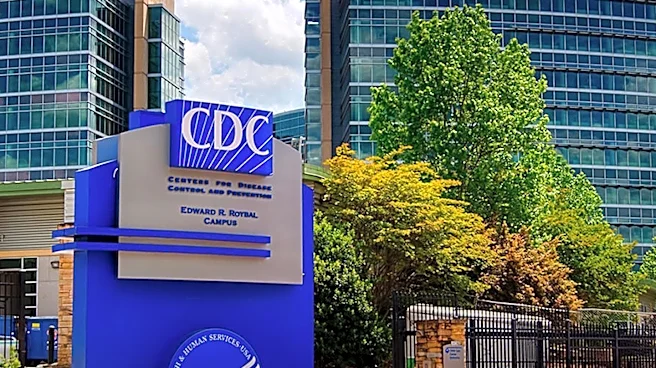
The U.S. is now required to submit a plan to PAHO within the next few weeks outlining how it intends to regain its measles elimination status. This plan will likely focus on strategies to halt measles transmission for at least 12 consecutive months, followed by providing proof of cessation to PAHO. Public health organizations, including the American Academy of Pediatrics, are urging federal leadership to step up efforts in the fight against measles. This includes providing more support for state and local public health departments, strengthening federal messaging on the importance of vaccination, and removing misleading information about vaccines from official sources. The Centers for Disease Control and Prevention (CDC) emphasizes that vaccination remains the key to protecting Americans and re-establishing measles elimination.
Beyond the Headlines
The re-emergence of endemic measles in the U.S. has profound ethical and societal implications. It underscores the collective responsibility of maintaining public health through vaccination, highlighting how individual choices can impact community-wide immunity. The decline in vaccination rates reflects a broader erosion of trust in public health institutions and scientific consensus, fueled by misinformation and political polarization. This situation could lead to increased pressure on schools to enforce vaccination requirements and may prompt legislative actions to address vaccine exemptions. Furthermore, it raises questions about health equity, as vulnerable populations may be disproportionately affected by outbreaks. The long-term consequences could include a re-evaluation of public health communication strategies and a renewed focus on combating vaccine misinformation to protect future generations from preventable diseases.