



What's Happening?
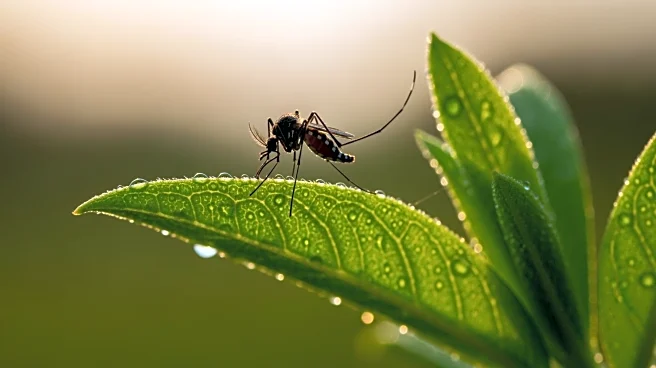
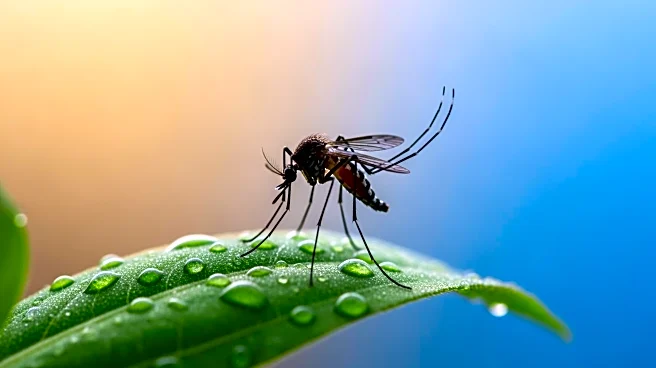
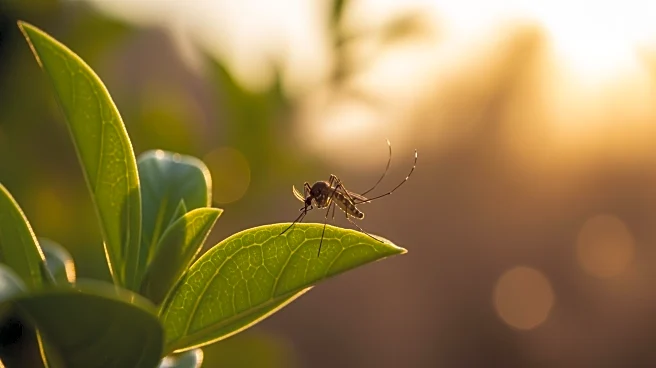
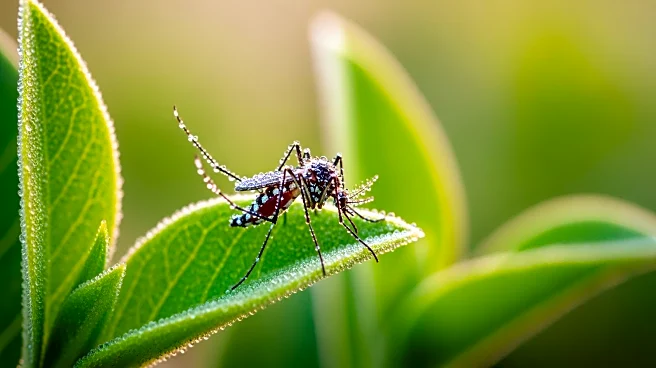
Southern California is experiencing an unusual increase in mosquito activity during the winter months, attributed to unseasonably hot temperatures and rainstorms. Local vector control districts in Los Angeles, Orange, and Ventura counties have reported
a significant rise in mosquito presence, which is atypical for this time of year. The surge is linked to the accelerated life cycle of mosquitoes due to the warm weather and the presence of invasive species like Aedes aegypti. Residents have reported numerous mosquito bites, prompting complaints to vector control authorities. Experts suggest that the mosquitoes may not have fully entered hibernation, becoming active with the first signs of warm temperatures.
Why It's Important?
The unexpected increase in mosquito activity poses potential public health concerns, as mosquitoes are known vectors for diseases such as West Nile virus. The presence of invasive species like Aedes aegypti, which prefer human hosts, could lead to more frequent and severe mosquito-borne illnesses. This development highlights the impact of climate variability on local ecosystems and public health infrastructure. The situation underscores the need for adaptive strategies in vector control and public health planning to address changing environmental conditions.
What's Next?
Vector control districts are considering adjustments to their monitoring and control strategies, including setting up scaled-back winter routes to track mosquito activity. Residents are advised to eliminate standing water on their properties to reduce breeding sites. The upcoming summer season's mosquito activity will depend on spring weather conditions, including rainfall and temperature patterns. Continued monitoring and public awareness campaigns will be crucial in managing the mosquito population and mitigating health risks.