



What's Happening?
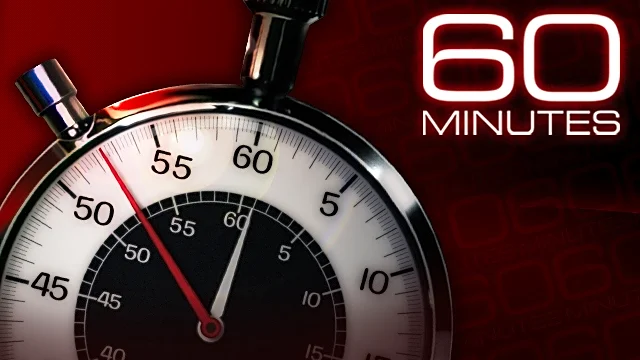
U.S. Defense Secretary Pete Hegseth is reportedly accused of pressuring two F-15 crew members, who were shot down over Iran and subsequently rescued, to participate in an interview with Bari Weiss's '60 Minutes'. According to CNN, citing multiple anonymous
sources familiar with the situation, Hegseth and his department pushed for the airmen to appear on the show despite opposition from military officials. Concerns were raised by officials, including General Dan Caine, Chairman of the Joint Chiefs of Staff, that such an interview could inadvertently reveal classified information. The airmen were initially hesitant, but Hegseth reportedly met with them privately to encourage them to share their stories. One airman, identified by the call sign 'Bravo,' agreed to the interview, while the other, 'Alpha,' declined. The Pentagon has denied these allegations, with chief Pentagon spokesman Sean Parnell stating the story is 'a complete lie' and that the decision to participate was solely the pilots'. Parnell also emphasized that the Department ensured operational security and protected sensitive information.
Why It's Important?
This situation highlights potential tensions between military leadership, political appointees, and media relations, particularly concerning sensitive military operations and personnel. If true, the alleged pressure from the Defense Secretary could raise questions about the autonomy of service members in sharing their experiences and the potential for political motivations to influence military protocols. The concern from military officials about the inadvertent release of classified information underscores the delicate balance between public transparency and national security. Such actions could also impact trust within the military ranks if service members feel coerced into public appearances. Furthermore, the Pentagon's strong denial indicates the seriousness of the accusations and the potential damage to the credibility of the Defense Department if the allegations were substantiated, or conversely, to the media if the claims are unfounded. The incident also brings to light the intense media interest in dramatic rescue operations and the ethical considerations involved in securing interviews with individuals involved in such events.
What's Next?
The immediate next steps are likely to involve continued scrutiny of the allegations and potential internal reviews within the Department of Defense, though no official investigation has been announced. Media outlets may continue to pursue further details and corroborating evidence regarding the alleged pressure. The '60 Minutes' interview with 'Bravo' has already aired, providing a public account of the rescue, but the controversy surrounding how the interview came about may persist. Stakeholders, including congressional oversight committees, could potentially inquire into the matter to ascertain whether proper protocols were followed and if any undue influence was exerted on military personnel. The Pentagon will likely maintain its stance that the decision to participate was voluntary and that all security measures were upheld. The incident may also lead to broader discussions within the military and media about guidelines for interviews with service members involved in sensitive operations.
Beyond the Headlines
Beyond the immediate controversy, this event touches upon deeper issues of information control and narrative shaping in national security contexts. The alleged desire by Secretary Hegseth and his staff to use CBS News for a 'dramatic retelling' suggests an interest in controlling the public perception of military operations. This raises questions about the balance between informing the public and potentially exploiting personal stories for political or public relations gains. The differing accounts from anonymous sources and the Pentagon's official denial also underscore the challenges of verifying information in high-stakes environments, where various parties may have competing interests. Ethically, the situation prompts reflection on the duty of care owed to service members, especially those who have undergone traumatic experiences, and whether they should be shielded from external pressures regarding public appearances. It also highlights the ongoing tension between the public's right to know and the military's need to protect classified information and the well-being of its personnel.