


What's Happening?
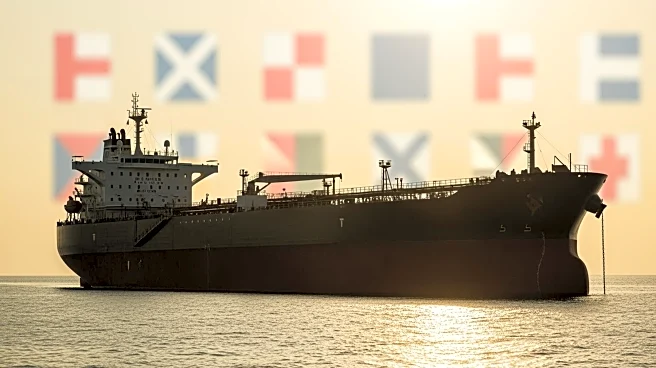
Recent U.S. boardings of oil tankers linked to Venezuela have sparked debate over their legality under international law. These actions are based on the UN Convention on the Law of the Sea (UNCLOS), which allows for the boarding of stateless vessels or those
falsely claiming nationality. The U.S. has intercepted several tankers, including one that attempted to change its flag mid-voyage. These boardings are part of a broader U.S. campaign to enforce sanctions against Venezuela and control the movement of its oil.
Why It's Important?
The legality of these boardings under international law is significant as it underscores the U.S.'s commitment to enforcing sanctions and maintaining maritime security. By adhering to UNCLOS, the U.S. strengthens its position in international maritime law, potentially setting precedents for future actions. This approach also highlights the challenges of regulating shadow fleets that operate outside normal maritime frameworks, impacting global oil trade and international relations.
Beyond the Headlines
The boardings raise questions about the balance between enforcing sanctions and respecting international maritime law. The case of the vessel attempting to reflag mid-voyage illustrates the complexities of modern maritime operations and the potential for legal debates. These actions may influence future interpretations of UNCLOS and the legal frameworks governing international shipping and sanctions enforcement.