










What's Happening?
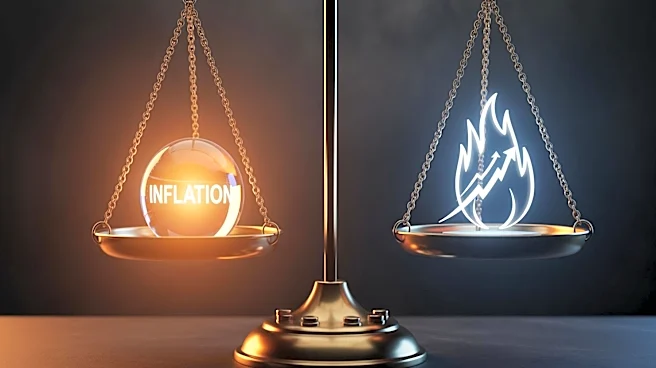
In May, U.S. consumer prices rose at an annual rate of 4.2%, marking the highest level of inflation in over three years. This increase, reported by the Bureau of Labor Statistics, is largely attributed to rising energy costs, which have been exacerbated
by geopolitical tensions in the Middle East. The surge in prices has placed additional financial pressure on American consumers, as the cost of living continues to rise.
Why It's Important?
The significant increase in consumer prices highlights the ongoing economic challenges faced by U.S. households, particularly as energy costs continue to climb. This trend poses a risk to economic stability, as it could lead to reduced consumer spending and slower economic growth. The situation also presents a challenge for policymakers, who must balance the need to control inflation with the potential impact on economic recovery efforts. The rising cost of living is likely to remain a key concern for both consumers and policymakers in the coming months.
What's Next?
As inflation continues to rise, the Federal Reserve and other economic policymakers may need to consider measures to stabilize prices and support economic growth. The ongoing geopolitical tensions contributing to energy price increases will need to be closely monitored, as they have a direct impact on inflation and consumer spending. Policymakers may also need to explore strategies to mitigate the impact of rising prices on lower-income households, who are disproportionately affected by increases in the cost of living.