







What's Happening?
A federal appeals court has reinstated a $655.5 million judgment against the Palestinian Authority (PA) and the Palestine Liberation Organization (PLO) for their involvement in attacks during the Second Intifada that harmed American citizens. The case,
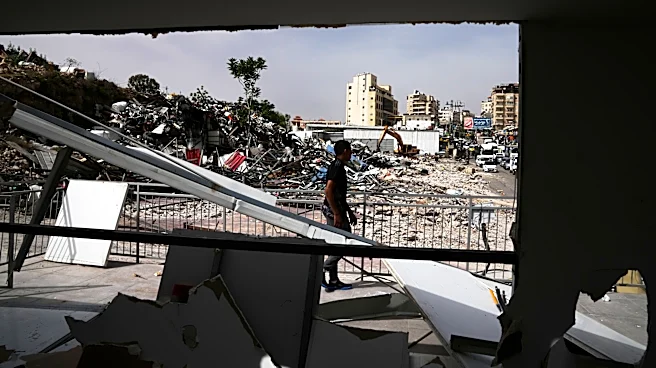
originally decided in 2015, was overturned on jurisdictional grounds but has now been revived following legislative changes and a Supreme Court ruling. The attacks, which included a bombing in Jerusalem, were allegedly carried out by individuals linked to the PA's security and political apparatus. The legal battle, which began in 2004, has involved multiple appeals and legislative interventions to establish U.S. jurisdiction over the PA and PLO.
Why It's Important?
The reinstatement of this judgment is significant as it underscores the U.S. legal system's ability to hold foreign entities accountable for acts of terrorism that affect American citizens. It highlights the ongoing legal and political challenges in addressing state-sponsored terrorism and the complexities of international law. The decision also reflects the U.S. government's stance on terrorism financing, as the PA's continued payments to individuals involved in attacks have been a focal point of the case. This ruling could set a precedent for future cases involving foreign entities and terrorism, potentially influencing U.S. foreign policy and international relations.
What's Next?
The next steps involve the enforcement of the judgment, which may include pursuing the PA and PLO's assets and revenue streams. This could involve diplomatic and legal efforts to ensure compliance with the court's decision. The PA may seek further legal review, but the plaintiffs are prepared to continue their pursuit of justice. The case also raises questions about the PA's financial practices and its portrayal as a reformed governing body. The outcome could impact U.S.-Palestinian relations and the broader Middle East peace process.
Beyond the Headlines
This case highlights the ethical and legal challenges in addressing terrorism financing and the role of state actors in supporting such activities. It raises questions about the effectiveness of international law in holding entities accountable and the potential for financial penalties to deter future acts of terrorism. The case also reflects broader geopolitical tensions and the complexities of balancing justice for victims with diplomatic considerations.