
What's Happening?
A recent study conducted by Northwestern Medicine and the University of California, San Francisco, has revealed that indoor tanning significantly increases the risk of melanoma, the deadliest form of skin
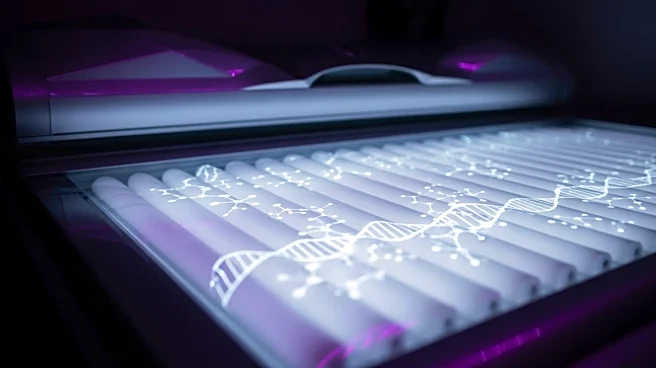
cancer. The research, published in Science Advances, shows that tanning beds cause widespread DNA damage across the skin, far exceeding the effects of natural sunlight. The study involved genomic analysis of 182 skin biopsies from individuals who used tanning beds and those who did not. Results indicated that tanning bed users had nearly twice as many DNA mutations, including in areas of the body not typically exposed to sunlight. This research counters claims by the indoor tanning industry that tanning beds are no more harmful than natural sunlight.
Why It's Important?
The findings of this study have significant implications for public health and regulatory policies. With melanoma responsible for approximately 11,000 deaths annually in the U.S., understanding the risks associated with indoor tanning is crucial. The study provides irrefutable evidence of the carcinogenic effects of tanning beds, which could lead to stricter regulations, such as banning their use by minors and requiring warning labels similar to those on cigarette packages. This research highlights the need for increased awareness and education about the dangers of indoor tanning, potentially reducing the incidence of melanoma and saving lives.
What's Next?
Following these findings, there may be calls for legislative action to restrict the use of tanning beds, particularly among minors. Health organizations and advocacy groups could push for public health campaigns to educate the public about the risks of indoor tanning. Dermatologists may also recommend more frequent skin examinations for individuals with a history of tanning bed use. The study's authors suggest that tanning beds should be classified as a class one carcinogen, similar to smoking and asbestos, which could influence future regulatory measures.