





What's Happening?
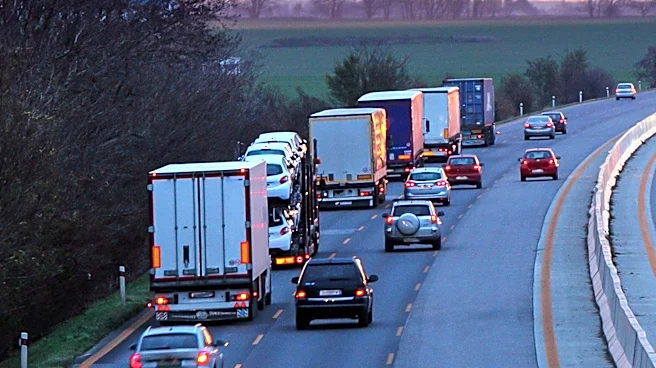
A recent community satisfaction survey conducted by the City of Longmont reveals that traffic congestion is the most significant problem for its residents. The survey, which gathered 3,994 responses, indicated that 95% of participants view traffic congestion as
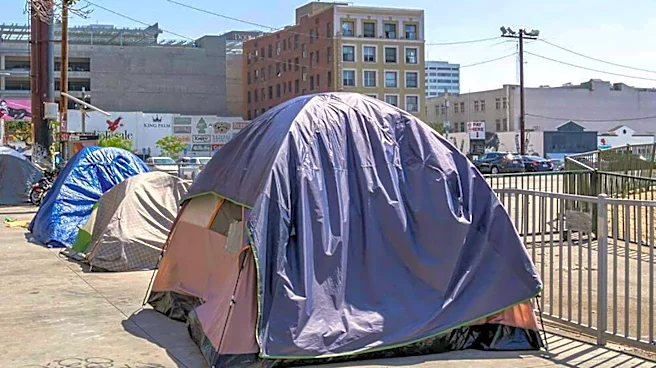
an issue, with 44% labeling it a 'major problem.' Following traffic, homelessness (94%) and noise (82%) were identified as other major concerns. The survey, conducted biennially since 1996, also highlighted declining feelings of safety at night, dropping from over 70% in 2024 to 59% in 2026. While drug-related concerns have improved since 2018, they remain a problem for 77% of residents. Future concerns include water, infrastructure, climate, and surveillance. Transportation-related city services, such as street maintenance and repair, and transportation planning, received the lowest ratings.
Why It's Important?
The survey results underscore a critical challenge for Longmont's city planners and policymakers: managing urban growth and its impact on infrastructure and quality of life. The high percentage of residents concerned about traffic congestion suggests a potential for public dissatisfaction if these issues are not addressed effectively. Poor ratings for street maintenance and transportation planning indicate that current city services in these areas are not meeting resident expectations, which could lead to increased pressure on local government for improvements. The concern about rapid population growth (71% of residents believe it's too fast) further complicates planning efforts, as it directly contributes to traffic and infrastructure strain. Addressing these concerns is crucial for maintaining resident satisfaction and ensuring sustainable urban development in Longmont.
What's Next?
In response to the survey findings, the Longmont City Council will likely face increased pressure to prioritize and implement solutions for traffic congestion and infrastructure improvements. Given that transportation planning and street maintenance were among the worst-rated city services, there may be a push for new initiatives or increased funding in these areas. The city may explore various strategies, such as optimizing traffic flow, investing in public transportation, or improving road infrastructure. Additionally, the concerns about rapid population growth could prompt discussions on urban planning policies and development regulations to manage future expansion more effectively. The city's biennial survey cycle suggests that these issues will remain key performance indicators for local governance in the coming years.
Beyond the Headlines
The persistent concern over traffic congestion in Longmont reflects a broader national trend in rapidly growing suburban and exurban areas. As populations expand, existing infrastructure often struggles to keep pace, leading to decreased quality of life and increased commute times. This situation can have ripple effects, impacting local businesses due to accessibility issues, influencing housing markets as residents seek areas with better commutes, and potentially affecting environmental quality through increased vehicle emissions. The decline in feelings of safety at night, coupled with infrastructure concerns, points to a complex interplay of urban challenges that require integrated solutions beyond just road improvements. It highlights the need for comprehensive urban planning that considers not only transportation but also public safety, community development, and environmental sustainability.