






What's Happening?
The U.S. food safety system operates with a divided responsibility for product recalls, managed primarily by two federal agencies: the Food and Drug Administration (FDA) and the U.S. Department of Agriculture's Food Safety and Inspection Service (FSIS).
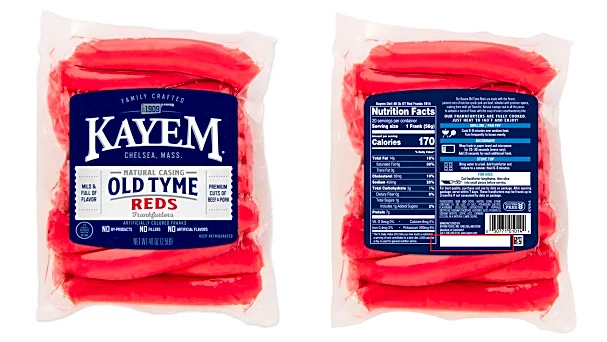
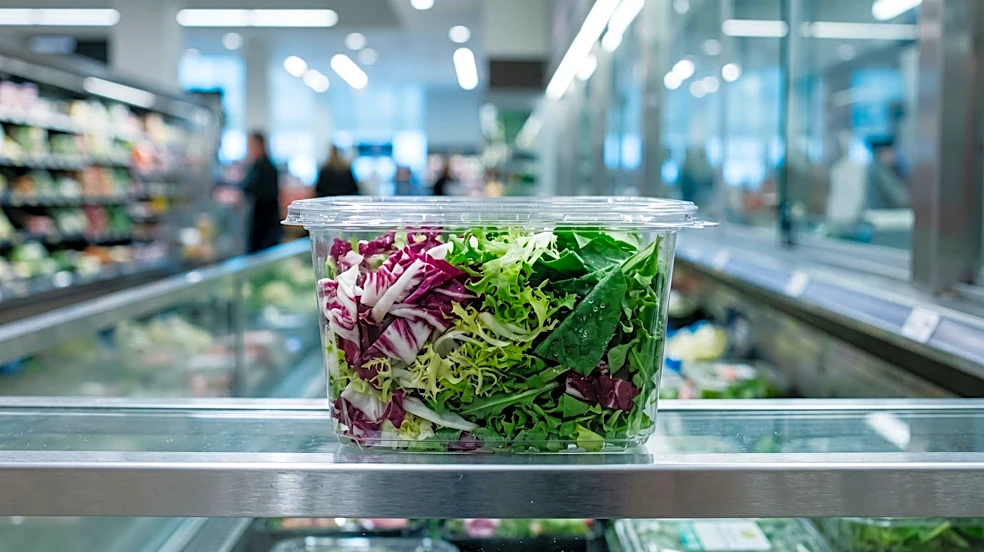
The FDA oversees recalls for most packaged, processed, and shelf-stable foods, including produce, seafood, dairy, and infant formula. Consumers can access the FDA's online database for these products. Conversely, the FSIS is responsible for recalls involving meat, poultry, and processed egg products, maintaining its own separate list. This division means that consumers must check both FDA.gov and fsis.usda.gov to ensure comprehensive awareness of potential food safety issues. Recalls are initiated when a product is deemed unlawful due to contamination, undeclared allergens, mislabeling, or defects that could cause harm. Companies often initiate these recalls voluntarily, with agencies monitoring the process and publishing detailed notices.
Why It's Important?
This bifurcated system is crucial for public health, as it ensures specialized oversight for different food categories, each with unique safety concerns. However, it also places the onus on consumers to understand which agency covers which product, potentially leading to confusion or missed alerts if only one database is checked. The detailed information provided in recall notices, such as lot numbers, UPC codes, and best-by dates, is vital because recalls are often limited to specific production batches, meaning not all products of the same brand are affected. Relying solely on headlines or social media can be misleading, as recall scopes can expand over time. Accurate and timely information from official sources is essential for consumers to take appropriate action, whether it's discarding a product or returning it, thereby preventing foodborne illnesses or allergic reactions.
What's Next?
Consumers are advised to proactively sign up for email notifications from both the FDA and FSIS to receive real-time alerts tailored to product categories they purchase. This proactive approach helps bridge the gap created by the dual-agency system. Furthermore, it is critical for consumers to understand that recall notices can be revised, with scope often expanding to include additional lots or distribution regions weeks after the initial announcement. Therefore, staying updated directly through official channels rather than relying on initial news reports is paramount. The ongoing challenge for both agencies and consumers remains effective communication and accessibility of critical safety information to prevent potential harm from recalled food products.
Beyond the Headlines
The complexity of the U.S. food recall system highlights broader issues in public health communication and consumer responsibility. While the division of labor between the FDA and FSIS aims for specialized expertise, it inadvertently creates a fragmented information landscape for the public. This fragmentation underscores the need for enhanced public education campaigns to inform consumers about how to navigate these systems effectively. Moreover, the reliance on specific product identifiers like lot numbers rather than just brand names points to the intricate supply chains and manufacturing processes that necessitate precise recall targeting. This precision is vital for minimizing economic impact on producers while maximizing consumer safety, but it also demands a higher level of diligence from consumers in checking product details against recall notices.