





What's Happening?
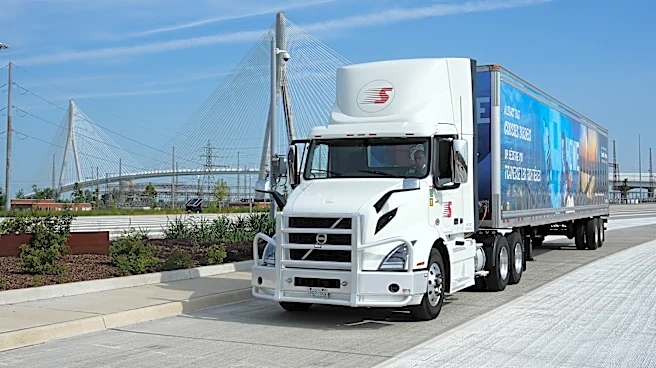
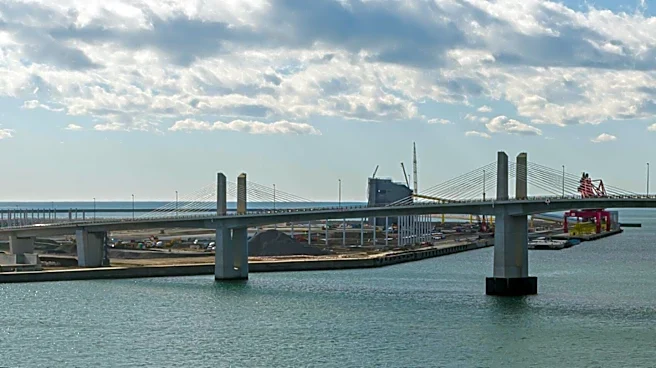
The Gordie Howe International Bridge, a new international crossing over the Detroit River between the United States and Canada, is now open to public motorists. This bridge connects directly to major highways on both sides, enhancing international commerce
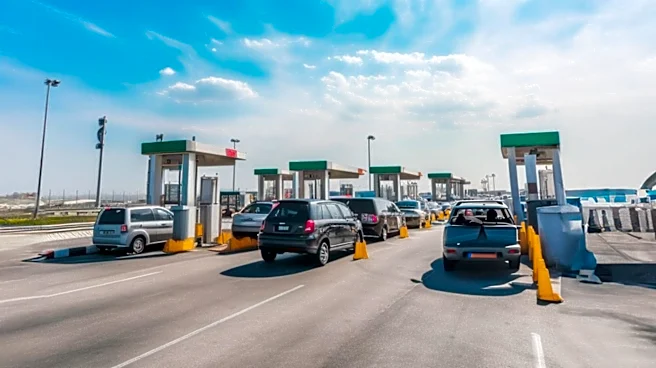
with its highway-to-highway connections. On the U.S. side, it is accessible via a 1.8-mile interchange on Interstate 75 in Detroit, while on the Canadian side, it connects through Highway 401 and other major routes. Travelers crossing the bridge must present proper identification, such as a passport, passport card, enhanced driver's license, or NEXUS card. Enhanced driver's licenses, available in five U.S. states, allow land or sea border crossings into Canada, Mexico, and some Caribbean nations. The bridge features a toll system managed on the Canadian side, accepting various payment methods including cash, credit, debit, and digital wallets. Additionally, the bridge offers a Breakaway program for electronic toll collection, providing discounts and automated lane access.
Why It's Important?
The opening of the Gordie Howe International Bridge is significant for U.S.-Canada relations and international trade. By providing a direct connection between major highways, the bridge is expected to streamline the flow of goods and people, potentially boosting economic activity in both countries. The toll system, with its modern payment options, reflects a shift towards more efficient and user-friendly border crossings. The enhanced driver's license option underscores the growing importance of digital identification in international travel. This development could lead to increased cross-border commerce, benefiting industries reliant on efficient logistics and transportation. Additionally, the bridge's multiuse path for pedestrians and cyclists promotes sustainable travel and could encourage tourism and local economic growth.
What's Next?
The bridge is set to open for pedestrian and bicycle traffic on August 5, providing a free multiuse path that connects to local trails in Detroit. This addition is expected to enhance accessibility and promote eco-friendly travel options. As the bridge becomes fully operational, stakeholders such as local businesses, transportation companies, and government agencies will likely monitor its impact on traffic patterns and economic activity. The success of the Breakaway program could lead to similar initiatives at other border crossings, further modernizing international travel infrastructure. Ongoing assessments will determine if additional infrastructure or policy adjustments are needed to optimize the bridge's benefits.