





What's Happening?
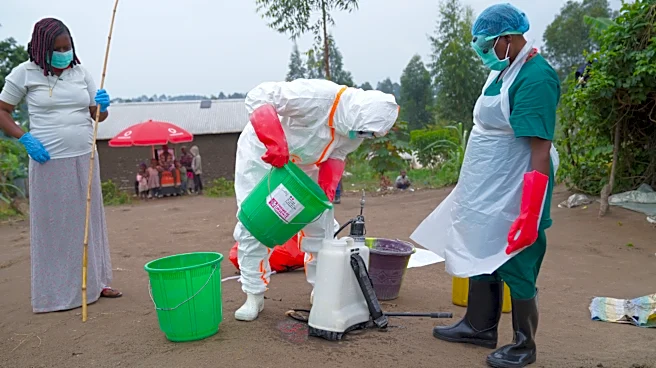
UNICEF is enhancing its efforts to combat epidemic-prone diseases by expanding its pool of technical experts. This initiative is part of the Accelerated Disease Control (ADC) workstream, which aims to strengthen outbreak preparedness and response capabilities
globally. The focus is on diseases such as measles, diphtheria, cholera, and yellow fever, which have seen increased outbreaks due to immunity gaps and weak surveillance systems. The expert pool will support countries in planning, implementing, and evaluating vaccination strategies and outbreak response measures. This includes conducting risk assessments, designing outbreak response immunization campaigns, and providing technical support during emergencies. The initiative also aims to integrate polio resources into broader health systems to enhance overall disease control and preparedness.
Why It's Important?
The expansion of UNICEF's expert pool is crucial in addressing the growing threat of epidemic-prone diseases, which pose significant public health challenges worldwide. By strengthening outbreak preparedness and response, UNICEF aims to reduce the transmission and impact of these diseases, particularly in regions with fragile health systems. This initiative supports global health security by ensuring timely detection and response to outbreaks, thereby protecting vulnerable populations and preventing widespread morbidity and mortality. The integration of polio resources into routine immunization programs further enhances the resilience of health systems, ensuring they are better equipped to handle future health emergencies.
What's Next?
UNICEF will continue to recruit and deploy experts from the expanded pool to support countries in their outbreak preparedness and response efforts. This includes providing technical assistance for the development and implementation of vaccination strategies and outbreak response plans. The organization will also focus on strengthening coordination across surveillance, immunization, and emergency response systems. As part of its ongoing efforts, UNICEF will work closely with partners such as the World Health Organization and national health authorities to ensure a coordinated and effective response to emerging health threats.
Beyond the Headlines
The initiative highlights the importance of global collaboration in addressing public health challenges. By leveraging expertise from various partners, UNICEF aims to build a comprehensive and sustainable approach to disease control and outbreak preparedness. This effort also underscores the need for continuous investment in health systems to address immunity gaps and ensure equitable access to vaccines and healthcare services. The focus on integrating polio resources into broader health systems reflects a strategic shift towards more holistic and resilient health infrastructure, capable of responding to a wide range of health threats.