



What's Happening?
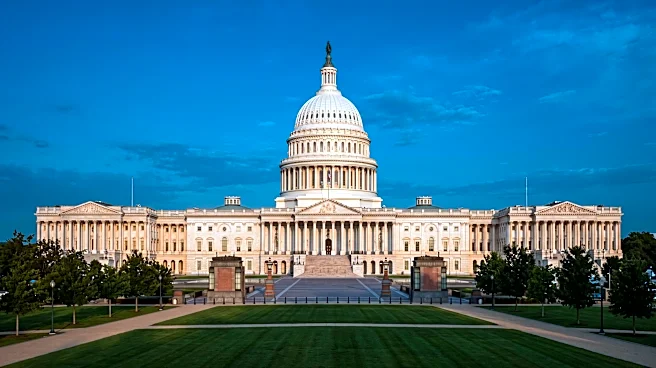
The U.S. House of Representatives has approved a resolution, H.Res. 1490, sponsored by U.S. Rep. Jeff Crank, condemning socialism. The resolution passed with a largely party-line vote of 220-192, with eight Democrats joining all Republicans in favor.
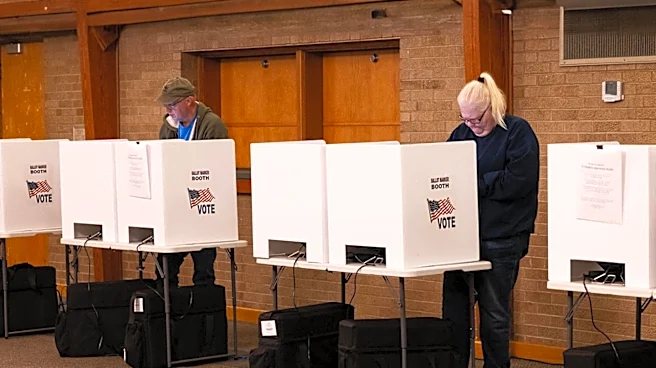
The measure also calls for the enactment of GOP-led legislation aimed at tightening voting requirements, specifically the Safeguard American Voter Eligibility Act (SAVE America Act), which mandates proof of citizenship for voter registration and photo ID for casting a ballot. Rep. Crank characterized the vote as an opportunity for lawmakers to take a stand against an ideology he believes is gaining traction within the Democratic party, particularly referencing the Democratic Socialists of America (DSA). Opponents, primarily Democrats, criticized the resolution as a symbolic and time-wasting gesture, noting that a similar resolution was passed last year and that the House has repeatedly voted on the election-related legislation without it advancing in the Senate. They argued it distracts from more pressing issues like rising costs.
Why It's Important?
This resolution is important as it highlights the ongoing ideological divide within U.S. politics, particularly concerning economic and social policies. The Republican-led effort to condemn socialism, especially by explicitly naming the Democratic Socialists of America, signals a strategic move to draw clear distinctions between the parties ahead of upcoming elections. For moderate Democrats in competitive districts, the vote forces them to take a public stance on an issue that could influence their re-election campaigns. The inclusion of the SAVE America Act within the resolution also underscores the persistent debate over election integrity and voting access, a contentious issue that has significant implications for future electoral processes. While the resolution itself is non-binding and does not change law, its passage serves as a powerful messaging tool, shaping public discourse and potentially influencing voter perceptions of both parties' platforms. It also reflects a broader concern among some lawmakers about the perceived growth of socialist ideas in American political discourse.
What's Next?
Following the adoption of this resolution, the political discourse surrounding socialism and election integrity is likely to intensify, especially as the midterm elections approach. Republicans will likely use this vote to highlight what they perceive as a growing socialist influence within the Democratic party, aiming to mobilize their base and sway undecided voters. Conversely, Democrats will likely continue to frame such resolutions as political stunts designed to distract from substantive policy debates and to suppress voter turnout through stricter identification laws. The SAVE America Act, despite its repeated passage in the House, is expected to continue facing significant opposition in the Senate, making its enactment unlikely in the near future. This will likely lead to continued legislative gridlock on voting reform. Furthermore, the resolution could prompt further internal discussions within the Democratic party regarding its stance on progressive movements and how to address the concerns raised by the Republican condemnation of socialism.
Beyond the Headlines
Beyond the immediate political maneuvering, this resolution touches upon deeper societal and cultural anxieties regarding the future direction of the U.S. economy and governance. The debate over socialism versus capitalism reflects fundamental differences in how Americans envision economic justice, individual liberty, and the role of government. The explicit targeting of the Democratic Socialists of America also points to a broader trend of political polarization, where specific ideological groups are increasingly singled out and demonized. This can further entrench partisan divides and make bipartisan cooperation more challenging. The emphasis on election integrity, particularly through voter ID laws, also raises ethical questions about balancing security with accessibility, and the potential for such measures to disproportionately affect certain demographics. Ultimately, this resolution is not just about condemning an ideology but also about defining American values and the parameters of acceptable political thought in the 21st century.