








What's Happening?
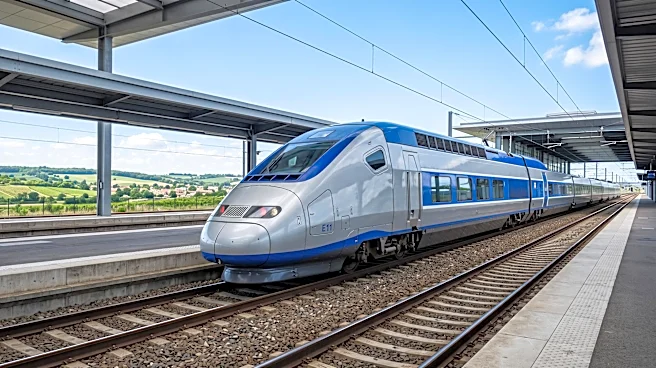
A national rail strike is anticipated to significantly disrupt train services across France on Thursday, November 5, 2026. The strike, called by SNCF’s four representative rail unions—CGT-Cheminots, UNSA-Ferroviaire, SUD-Rail, and CFDT-Cheminots—aims
to press for real pay negotiations, improved living and working conditions, and adequate staffing levels at all sites. This industrial action coincides with a broader national day of strikes and protests throughout France. Travelers with bookings for TGV, Intercités, TER, and SNCF’s RER and Transilien lines in the Paris region should prepare for potential cancellations. The exact impact will depend on the number of workers who participate in the strike. A meeting concerning purchasing power is scheduled for Tuesday, November 3, at SNCF headquarters, and concrete offers from this meeting could lead to a reconsideration of the strike.
Why It's Important?
While primarily affecting France, this rail strike could have indirect implications for U.S. travelers planning to visit or transit through France on or around November 5, 2026. Disruptions to major rail services, including high-speed TGV lines, could lead to altered travel itineraries, missed connections, and increased demand for alternative transportation methods like flights or rental cars, potentially impacting travel costs and availability. For U.S. businesses with operations or employees in France, the strike could cause logistical challenges, delays in goods transport, and reduced employee mobility, affecting productivity and supply chains. The broader national day of strikes also signals potential economic and social unrest in a key European ally, which could be monitored by U.S. economic observers for any ripple effects on international markets or investment sentiment, particularly if the issues of pay and working conditions resonate across other sectors or countries.
What's Next?
Travelers with tickets for November 5, 2026, are advised to monitor SNCF announcements closely. Final schedules for TGV, Intercités, and TER services are typically published from 5 p.m. the day before the strike, on Wednesday, November 4. Plans for Paris area RER and Transilien lines are also expected at that time. SNCF usually offers free exchanges or refunds for affected TGV INOUI and Intercités tickets, though travelers may need to initiate the cancellation or exchange themselves. The outcome of the meeting on purchasing power scheduled for November 3 between SNCF chief executive Jean Castex and union representatives will be crucial, as any concrete offers could lead to the strike being reconsidered. Travelers are encouraged to move their trips to November 4 or November 6 if possible, before seats sell out, and to ensure their contact information is updated on their bookings for alerts.
Beyond the Headlines
This strike highlights ongoing tensions between labor unions and management over compensation and working conditions within France's national railway system. The unified call from all four representative unions underscores a significant level of dissatisfaction among rail workers, suggesting that the issues extend beyond individual grievances to systemic concerns about pay, staffing, and overall quality of life for employees. The timing of the strike, coinciding with a wider national day of protests, indicates a broader societal discontent that could influence future labor relations and government policy in France. For the U.S., observing such labor actions in allied nations provides insight into global economic pressures and the challenges of maintaining public services amidst demands for improved worker welfare, potentially informing discussions on labor policies and economic stability in a globalized context.