



What's Happening?
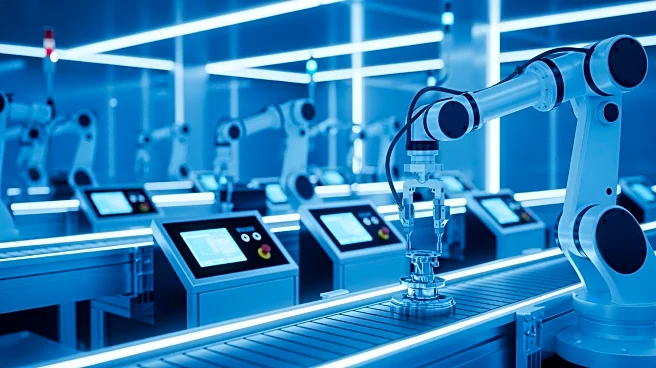
China is advancing its manufacturing sector with the development of next-generation factories that integrate cutting-edge technologies like AI and robotics. These smart factories are categorized into four levels: basic, advanced, excellence, and pioneer.
The facilities are designed to enhance production efficiency, reduce carbon emissions, and accommodate diverse, customized demands. In Shenzhen, a new lab-factory hybrid is focusing on photonic quantum computers, aiming to fast-track quantum technology into practical applications. The shift towards smart manufacturing is part of China's broader strategy to lead in high-tech industries and improve its global competitiveness.
Why It's Important?
The transformation of China's manufacturing landscape has significant implications for global industries. By integrating advanced technologies, China aims to increase production efficiency and reduce environmental impact, setting new standards for manufacturing worldwide. This shift could influence global supply chains, as other countries may need to adopt similar technologies to remain competitive. The focus on smart factories also highlights the growing importance of AI and robotics in industrial processes, potentially leading to job shifts and new skill requirements in the workforce.