


What's Happening?
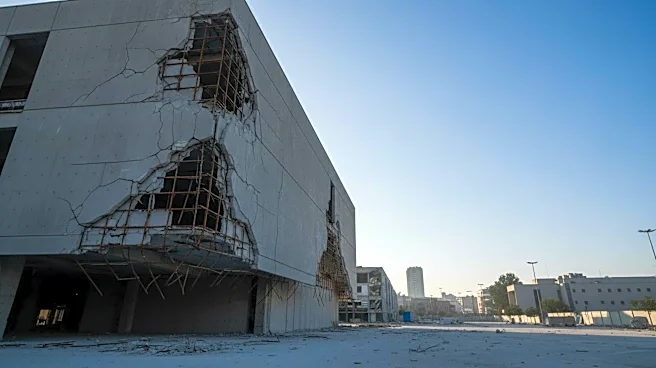
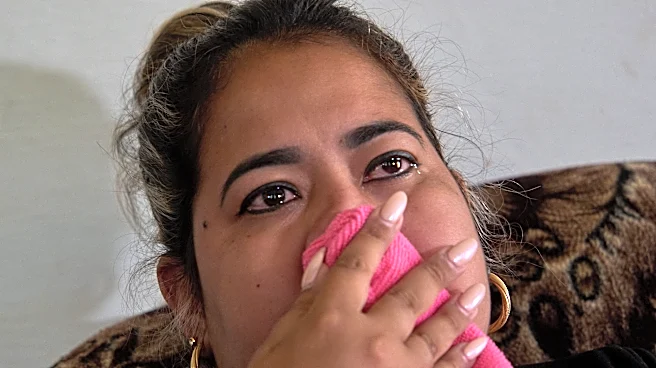
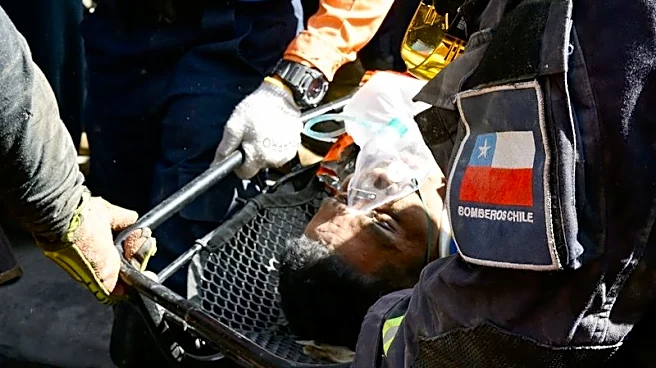
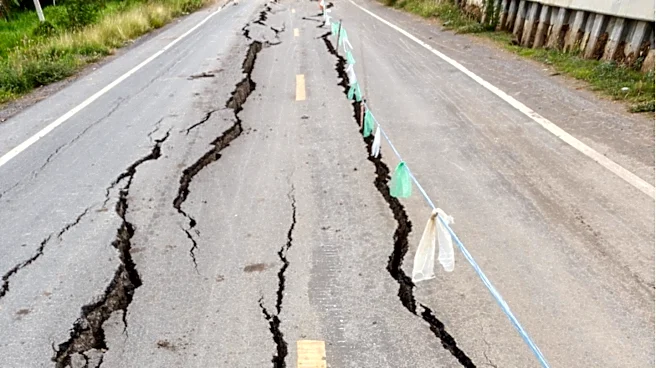
In Venezuela, acting President Delcy Rodríguez is under scrutiny as her interim leadership period ends amidst criticism of her government's response to recent devastating earthquakes. The twin quakes, which struck on June 24, have resulted in over 2,645
deaths and more than 12,500 injuries. Rodríguez has defended her administration's efforts, claiming immediate deployment of rescue teams and international aid. However, opposition leader María Corina Machado, currently in exile, has criticized the government's response as inadequate and disorganized. Machado, who was barred from the 2024 presidential election, is advocating for her return to Venezuela to aid in the transition process, citing the government's failure to effectively manage the crisis.
Why It's Important?
The situation in Venezuela highlights the intersection of natural disasters and political instability. The earthquakes have not only caused significant human suffering but have also exposed vulnerabilities in the country's governance. The criticism of Rodríguez's response could undermine her leadership and influence future political dynamics in Venezuela. The Trump administration's support for Rodríguez, despite her controversial handling of the crisis, underscores the geopolitical interests at play, particularly concerning Venezuela's oil sector. The international community's response, including pledges of aid, is crucial in preventing a humanitarian catastrophe, but the political implications could affect the distribution and effectiveness of this aid.
What's Next?
As Rodríguez's interim mandate expires, the Venezuelan National Assembly, controlled by her party, faces the decision of whether to extend her leadership or call for a snap election. This decision will be pivotal in determining the country's political future. Meanwhile, Machado's potential return could reignite political tensions and protests, especially if she seeks to challenge Rodríguez's authority. The international community, including the U.S., will likely continue to monitor the situation closely, balancing humanitarian aid with political strategy.
Beyond the Headlines
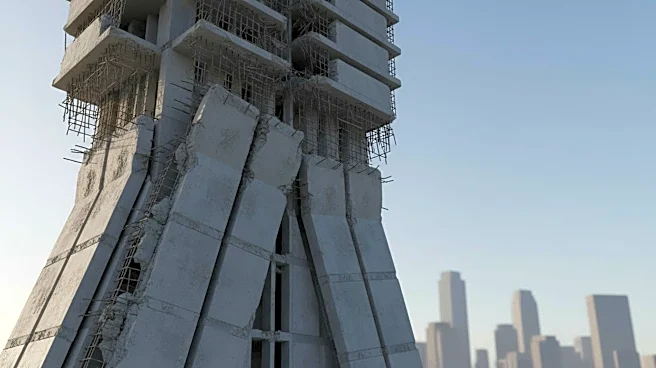
The earthquakes have highlighted the fragility of Venezuela's infrastructure and the potential for natural disasters to exacerbate existing political and social issues. The response to the crisis could set a precedent for how future emergencies are managed in politically unstable regions. Additionally, the role of international actors, such as the U.S., in influencing domestic politics through support or opposition to local leaders, raises questions about sovereignty and the ethics of foreign intervention.