




What's Happening?
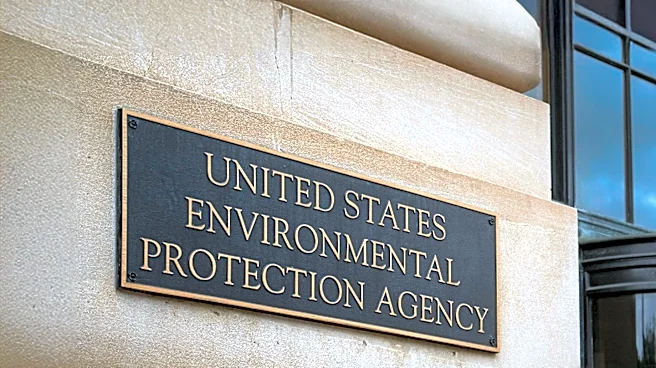
U.S. Representatives Scott Peters (D-CA) and Mariannette Miller-Meeks (R-IA) have introduced bipartisan legislation to formally authorize the U.S. Environmental Protection Agency’s (EPA) Safer Choice Program. This initiative follows a companion bill already
introduced in the Senate, indicating a bicameral effort to solidify the program's standing. The Safer Choice Program is a voluntary, science-based initiative that identifies products made with ingredients considered safer for human health and the environment. The introduction of this legislation is a direct result of advocacy efforts by the cleaning and facility solutions industry, with over 140 leaders meeting with congressional offices to push for the authorization of Safer Choice. This program is crucial for promoting healthier indoor air quality, which is a significant public health concern, contributing to millions of premature deaths annually and exacerbating various health conditions.
Why It's Important?
The formal authorization of the EPA's Safer Choice Program, supported by Representative Scott Peters, is important for several reasons. Firstly, it provides a legislative foundation for a program that encourages the development and use of safer chemical products, thereby protecting public health and the environment. For consumers, it offers a clear, trustworthy label to identify products that meet stringent safety standards. For businesses in the cleaning and facility solutions industry, it provides a recognized standard for innovation in green chemistry and a competitive advantage for products that achieve the certification. This legislative backing can also lead to increased investment in research and development of safer alternatives, fostering a more sustainable marketplace. Furthermore, by addressing indoor air pollution, which has significant health and economic costs, the legislation contributes to broader public health goals and can reduce healthcare burdens. The bipartisan nature of the effort underscores a shared commitment to environmental protection and public well-being across political divides.
What's Next?
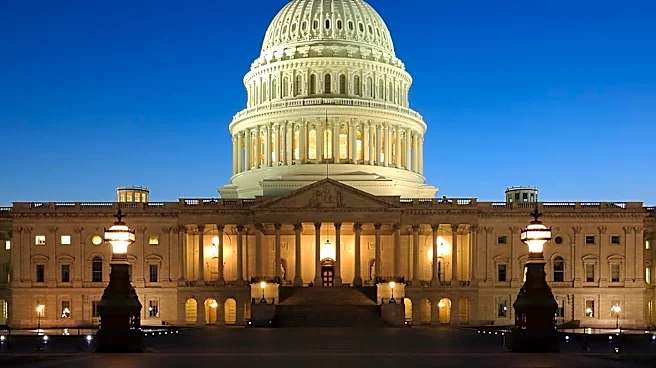
With the introduction of bipartisan legislation in both the House and Senate, the formal authorization of the EPA's Safer Choice Program will proceed through the legislative process. This will involve committee hearings, potential amendments, and votes in both chambers. The strong advocacy from the cleaning and facility solutions industry suggests continued support and lobbying efforts to ensure the bill's passage. If authorized, the Safer Choice Program would gain enhanced stability and recognition, potentially leading to increased participation from manufacturers and greater consumer awareness. This could result in a broader availability of safer products in the market and a continued focus on improving indoor air quality. The success of this legislation could also encourage similar bipartisan efforts to support other voluntary environmental programs, demonstrating a pathway for collaborative policymaking on health and environmental issues.
Beyond the Headlines
The bipartisan effort to authorize the EPA's Safer Choice Program, championed by Representative Scott Peters, highlights a deeper societal shift towards prioritizing health and environmental sustainability in product development and consumption. Beyond the immediate benefits of safer products, this initiative reflects a growing understanding of the interconnectedness between environmental factors, public health, and economic productivity. The program's focus on identifying ingredients that are safer for human health and the environment speaks to an evolving ethical standard in manufacturing, where companies are increasingly expected to consider the full lifecycle impact of their products. This legislative move could also empower consumers with more transparent information, driving market demand for eco-friendly and health-conscious options. Ultimately, the formal authorization of Safer Choice could serve as a catalyst for broader systemic changes in how industries approach chemical use, fostering a culture of preventative health and environmental stewardship that extends far beyond the cleaning sector.