
What's Happening?
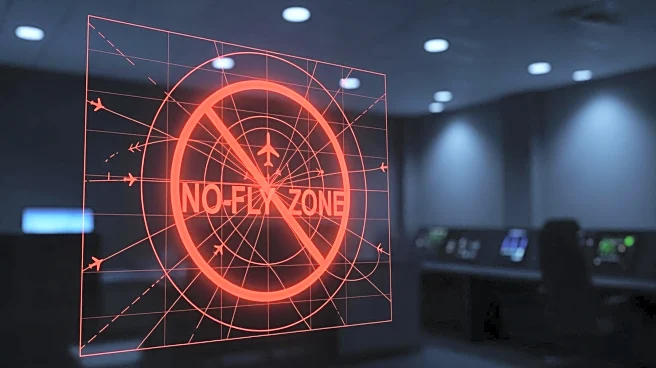
Spain has announced the closure of its airspace to US military aircraft involved in operations against Iran. This decision, confirmed by Spain's Defense Minister Margarita Robles, extends beyond the previous restriction on the use of jointly-operated
military bases. The move is part of Spain's broader stance against participating in or supporting the conflict, which it views as initiated unilaterally and against international law. The closure requires US military planes to reroute around Spain, a NATO member, although exceptions are made for emergencies. The decision aligns with Spanish Prime Minister Pedro Sanchez's vocal opposition to the US and Israeli military actions in Iran, which he has described as reckless and illegal.
Why It's Important?
The closure of Spanish airspace to US military aircraft has significant implications for US military logistics and operations in the Middle East. It complicates flight paths and could increase operational costs and time for missions targeting Iran. This decision also highlights the growing diplomatic tensions between Spain and the United States, with potential repercussions for bilateral relations. President Trump has threatened to cut trade with Spain in response to the airspace closure, indicating potential economic consequences. The situation underscores the challenges of maintaining international military coalitions and the impact of unilateral military actions on diplomatic relations.
What's Next?
The closure of airspace is likely to prompt further diplomatic discussions between the US and Spain. The US may seek to negotiate exceptions or alternative arrangements to mitigate the impact on military operations. Additionally, the situation could influence other NATO members' stances on the conflict, potentially affecting broader coalition dynamics. The threat of trade repercussions from the US could also lead to economic negotiations or retaliatory measures from Spain. Observers will be watching for any shifts in Spain's policy or further statements from other European nations regarding the conflict.