


What's Happening?
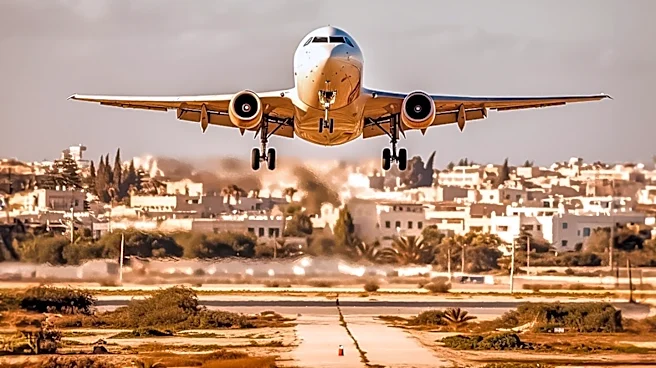
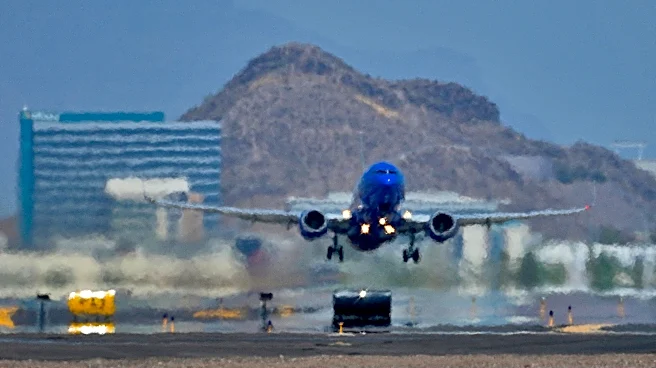
Rising temperatures, exacerbated by climate change, are increasingly affecting flight schedules, particularly in regions with high temperatures and elevations. On hot days, thinner air reduces aircraft lift and engine thrust, necessitating weight reductions
or flight delays. This issue is prevalent in desert climates like the U.S. Southwest and is expected to worsen as global temperatures rise. Airlines are already implementing measures such as reducing passenger loads and cargo to ensure safe takeoffs during extreme heat.
Why It's Important?
The impact of rising temperatures on aviation highlights the broader challenges posed by climate change to infrastructure and transportation. As heatwaves become more frequent, airlines may face increased operational costs and logistical challenges, potentially affecting ticket prices and service reliability. This situation underscores the need for the aviation industry to adapt to changing climate conditions, possibly accelerating the development of more efficient aircraft and alternative fuels. It also raises questions about the resilience of current airport infrastructure to withstand extreme weather conditions.
What's Next?
Airlines and airports may need to invest in infrastructure improvements and operational strategies to mitigate the effects of extreme heat. This could include extending runways, enhancing cooling systems, and developing new aircraft technologies. Regulatory bodies might also consider revising safety guidelines to account for changing climate conditions. The aviation industry will need to balance immediate operational needs with long-term sustainability goals, potentially influencing future policy and investment decisions.