






What's Happening?
Environmental leaders and legislators in Pennsylvania have unveiled a 100-day legislative blueprint titled 'Unleashing Pennsylvania Power.' This comprehensive plan aims to tackle the state's energy affordability crisis by lowering electricity bills, reining
in data centers, and expanding clean energy. The initiative comes in response to rising electric bills, with residential rates increasing by an average of 60% over the last five years. The blueprint focuses on two main strategies: establishing strict guardrails for power-hungry AI data centers and rapidly expanding union-built clean energy projects. Key proposals for data centers include a 'Developer-Pays' standard, requiring tech developers to cover 100% of their grid interconnects and transmission upgrades, banning non-disclosure agreements between developers and government officials, and implementing strict clean power rules that mandate data centers use new, in-state clean energy sources. The plan also seeks to grant the Public Utility Commission (PUC) expanded authority to enforce ratepayer protections.
Why It's Important?
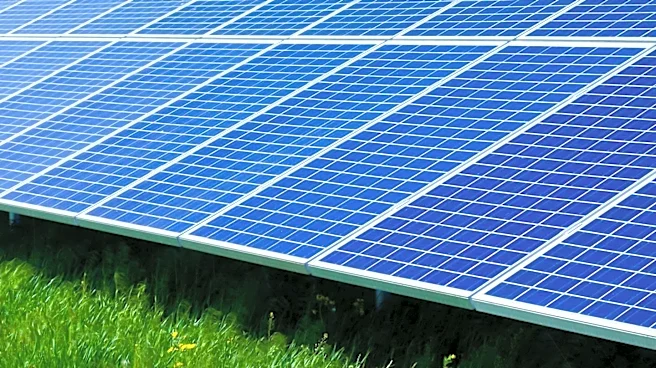
This legislative blueprint is a direct response to voter mandates for relief from skyrocketing electricity bills and concerns over the impact of large tech companies. The rapid growth of hyperscale data centers, which require immense amounts of electricity and water, is seen as a significant factor threatening to push grid capacity to its limits and shift substantial transmission upgrade costs onto families. By implementing a 'Developer-Pays' standard, the plan aims to prevent corporate utilities from passing these infrastructure costs onto everyday consumers. The proposed ban on non-disclosure agreements and the 180-day local planning pause are designed to increase transparency and local control over data center development, addressing concerns about community impact. Furthermore, the emphasis on expanding clean energy, such as solar-ready warehouses, grid-scale battery storage, and community solar, is intended to stabilize the grid, lower electricity prices, and create union jobs, positioning Pennsylvania as a leader in the green economy.
What's Next?
The 'Unleashing Pennsylvania Power' blueprint outlines a 100-day agenda for the new pro-environment trifecta in Harrisburg, indicating an immediate push for legislative action. The proposals, including the 'Developer-Pays' standard and strict clean power rules for data centers, will likely be introduced as bills in the state legislature. The plan also calls for expanding the Public Utility Commission's authority, which would require legislative approval. The success of this blueprint will depend on political will and the ability to garner bipartisan support, especially since some measures have already passed the House with bipartisan backing. If enacted, these policies could significantly alter the energy landscape in Pennsylvania, impacting utility companies, tech developers, and residential consumers alike. The focus on clean energy expansion suggests a long-term shift towards a more sustainable and affordable energy future for the state.
Beyond the Headlines
This legislative initiative in Pennsylvania highlights a broader national trend where states are increasingly scrutinizing the energy consumption of data centers and seeking ways to mitigate their impact on electricity grids and consumer bills. The 'Developer-Pays' standard, if adopted, could serve as a model for other regions facing similar challenges, fundamentally altering how large energy consumers contribute to infrastructure development. The emphasis on banning non-disclosure agreements and empowering local control also speaks to a growing demand for transparency and community involvement in major infrastructure projects. Moreover, the blueprint's dual focus on reining in data centers and expanding clean energy underscores a strategic approach to energy policy that seeks to balance technological growth with environmental sustainability and economic equity. This could lead to a more resilient and democratized energy system, where the benefits of technological advancement are shared more broadly, and its costs are borne more equitably.